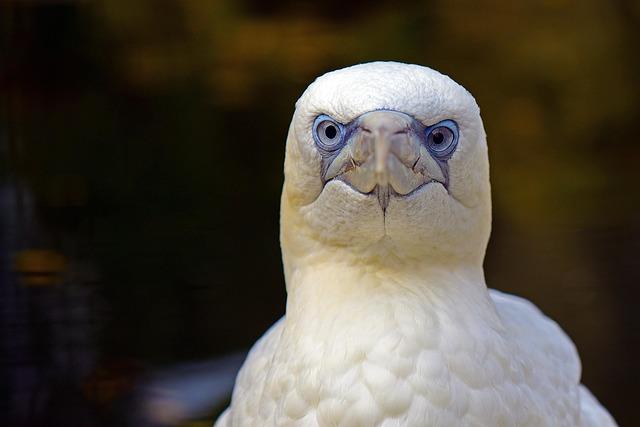
In a striking indicator of ecological change, Kenya’s iconic flamingos are losing their vibrant pink hue as the Rift Valley lakes undergo significant transformations. Once celebrated for their dazzling colors that draw tourists from around the globe, the avian icons are now facing challenges that threaten not only their appearance but also their survival. Factors such as climate change, pollution, and shifts in water levels are contributing to the changing conditions within these vital ecosystems. This article explores the implications of these changes on the flamingo population, the intricate interplay between wildlife and environmental health, and the urgent need for conservation efforts to safeguard one of Kenya’s most cherished natural treasures.
Flamingo Population Decline Linked to Ecological Shifts in Kenya’s Rift Valley Lakes
The once-vibrant hues of Kenya’s flamingos are fading as the delicate balance of the Rift Valley lakes continues to shift. Recent studies reveal that increasing salinity levels and changing water temperatures are driving these iconic birds away from their traditional habitats. Factors such as climate change, agricultural runoff, and urban encroachment have exacerbated these ecological shifts, resulting in diminished food sources for the flamingos, particularly the algae and small crustaceans that sustain them. Consequently, the flamingo population has experienced a marked decline, raising concerns among conservationists and researchers alike.
The ecological transformations impacting the Rift Valley lakes have far-reaching implications for local ecosystems and economies. The flamingos, once a significant attraction for ecotourism, are now disappearing from sites like Lake Nakuru and Lake Bogoria. This reduction not only threatens biodiversity but also jeopardizes livelihoods that depend on wildlife tourism. Key factors contributing to the altered ecosystems include:
- Invasive species: Non-native plants and fish are disrupting local food webs.
- Water diversion: Increased irrigation practices have reduced water levels.
- Pollution: Agricultural runoff is degrading water quality, impacting algae growth.
In recognizing the urgency of the situation, conservation efforts must adapt to these ongoing ecological changes. Engaging local communities in sustainable practices and restoring the natural habitats of these lakes could hold promise for rejuvenating flamingo populations and restoring the ecological integrity of this emblematic region.
Conservation Strategies Needed to Restore Habitat and Reverse Color Loss
The alarming decline in the vibrant pink hue of Kenya’s flamingos is a stark reminder of the urgent need for targeted conservation measures. To address the chemical and environmental changes in the rift valley lakes, the following strategies should be prioritized:
- Water Quality Monitoring: Regular assessments of water salinity and pH levels can help ensure favorable conditions for flamingos.
- Habitat Restoration: Initiatives aimed at reestablishing natural wetlands will provide essential feeding and breeding grounds for the birds.
- Sustainable Tourism Practices: Promoting responsible tourism can reduce human-induced pressures on these delicate ecosystems.
- Community Engagement: Involving local communities in conservation efforts ensures sustainable practices and heightened awareness.
Furthermore, collaboration between governmental bodies, NGOs, and international wildlife organizations is crucial. A multi-faceted approach that includes:
| Partnerships | Focus Areas |
|---|---|
| Kenyan Government | Policy development and funding for conservation projects. |
| Local Communities | Implementation of sustainable land use practices. |
| Environmental NGOs | Research and advocacy for biodiversity preservation. |
By combining these efforts, we can create a holistic framework that not only stabilizes the flamingo population but also revitalizes the ecological integrity of the rift valley lakes.
Impact of Climate Change on Water Quality and Flamingo Health in East Africa
The changing climate in East Africa has triggered a significant deterioration in water quality across the region’s rift valley lakes, impacting not only the aquatic ecosystem but also the vibrant flamingo populations that rely on these environments for survival. The rise in temperatures has led to increased evaporation rates, concentrating industrial and agricultural runoff in the remaining water bodies. This runoff, which often contains harmful substances, contributes to high salinity levels and decreased oxygen availability, creating a hostile habitat for algae-crucial food sources for flamingos. Consequently, the once-thriving colonies of flamingos are witnessing a decline in their distinctive pink hues, as the nutritional imbalances limit their access to carotenoid-rich diets necessary for their iconic coloration.
As water quality deteriorates, flamingos face a myriad of health challenges. Studies have indicated that fluctuations in water pH and elevated levels of toxins have resulted in increased mortality rates and reproductive failures among these birds. Key impacts include:
- Reduced breeding success due to habitat degradation.
- Increased instances of disease and malnutrition linked directly to changing water conditions.
- Alteration of migratory routes as birds search for better feeding grounds.
The ripple effects extend beyond flamingos, potentially destabilizing the entire ecosystem that depends on these lakes, necessitating urgent action to mitigate climate change and protect these iconic species.
The Way Forward
In conclusion, the stunning transformation of Kenya’s Rift Valley lakes and its impact on the iconic flamingo population is a stark reminder of the intricate balance within our ecosystems. As environmental changes continue to pose challenges to these vibrant birds, conservation efforts must be prioritized to safeguard their future. The fading pink of the flamingos serves as a poignant symbol of the broader environmental shifts affecting the region. It is imperative for stakeholders, from local communities to international conservation organizations, to work collaboratively in addressing the threats posed by climate change, habitat loss, and human activities. Ensuring that future generations can experience the beauty of Kenya’s flamingos in their full glory will require urgent action and a commitment to sustainable practices. As this situation unfolds, the world watches closely, hopeful that concerted efforts will lead to the restoration of these iconic birds and their habitats.