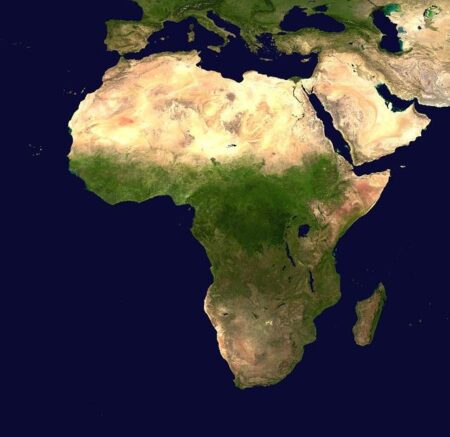
In a recent controversy ignited by remarks from Morocco’s Education Minister, the Moroccan government swiftly refuted claims suggesting that the nation does not represent Africa. The comments, which drew immediate backlash and sparked widespread debate, were initially reported by Yabiladi.com, prompting concerns about their potential implications for Morocco’s identity within the African continent. This article delves into the minister’s statements, the government’s response, and the broader context of Morocco’s role in African affairs, highlighting the ongoing complexities of national identity and representation in the region.
Morocco Responds to Education Minister’s Controversial Statement on African Representation
The Moroccan government swiftly countered remarks attributed to the Education Minister regarding the country’s representation on the African continent. Official statements highlighted that the Minister’s comments were misinterpreted, emphasizing Morocco’s deep ties and commitment to African unity and collaboration. Key points of the Ministry’s response include:
- Morocco’s active role in various African organizations and regional initiatives.
- Long-standing partnerships aimed at promoting educational development across Africa.
- A reaffirmation of Morocco’s dedication to advancing pan-African goals and values.
Additionally, the Education Ministry released a clarification seeking to mend any misconceptions. “Morocco not only stands as a representative of Africa but also seeks to amplify African voices on global platforms,” the statement read. The country has previously hosted numerous educational forums and workshops that bring together educators from across the continent, underscoring its proactive approach to fostering educational exchange and cooperation.
| Initiative | Description |
|---|---|
| Pan-African Educational Summit | A forum aimed at discussing educational reforms and innovations across Africa. |
| African Teacher Training Programs | Workshops designed to enhance teaching methodologies and cultural exchange. |
The Implications of the Statement on Morocco’s Diplomatic Relations with African Nations
The recent clarification from Morocco’s government following the controversial statement made by the Education Minister has significant implications for the country’s diplomatic relations with its African neighbors. The assertion that Morocco «does not represent Africa» sparked widespread debate and concern among various stakeholders, particularly in the context of Morocco’s historically strategic position within African and international politics. It highlights the delicate balance Morocco must maintain as it navigates its identity on the continent while fostering cooperative ties with other African nations.
In light of this situation, several key factors emerge that could shape Morocco’s diplomatic engagements moving forward:
- Regional Unity: Morocco’s leadership position may be tested as it seeks to actively promote regional unity and collaboration.
- Public Perception: The response to the minister’s statement may impact public sentiment across African countries, influencing bilateral relationships.
- Investment Opportunities: Morocco’s approach to regional diplomacy could play a critical role in attracting foreign investments and partnerships within Africa.
- Cultural Exchange: The emphasis on shared African identity might encourage deeper cultural and educational exchanges among nations.
To better illustrate the potential impacts on diplomatic relations, the following table summarizes the current partnerships between Morocco and key African states:
| Country | Type of Partnership |
|---|---|
| Senegal | Trade and Investment |
| Côte d’Ivoire | Agriculture and Innovation |
| Ghana | Education and Training |
| South Africa | Cultural and Economic Cooperation |
Recommended Strategies for Enhancing Morocco’s Image and Engagement in the African Context
To effectively enhance Morocco’s image and engage with other African nations, a multifaceted approach is crucial. First, fostering stronger diplomatic relations through cultural exchange programs can promote mutual understanding and showcase Morocco’s rich heritage. Such initiatives may include:
- Art and Music Festivals: Hosting events that celebrate African arts can attract attention and foster connections.
- Educational Collaborations: Establishing partnerships with African universities to promote joint research and student exchange can improve academic ties.
- Tourism Promotions: Highlighting Morocco as a gateway to Africa through targeted campaigns can boost tourism from other African countries.
In addition to cultural initiatives, Morocco should leverage its geographical and economic positioning to become a key player in African trade and investment. Building infrastructure such as roads and ports in collaboration with neighboring countries will facilitate regional connectivity. Morocco could implement:
| Strategy | Description |
|---|---|
| Regional Trade Agreements | Formalizing agreements that lower tariffs and encourage commerce. |
| Investment in Technology | Promoting tech hubs to attract innovators from across Africa. |
| Sustainability Initiatives | Implementing eco-friendly policies to set an example in environmental stewardship. |
In Retrospect
In conclusion, Morocco’s swift denial of the Education Minister’s controversial statement emphasizing that the country “does not represent Africa” underscores the country’s commitment to its continental identity and collective pride in African heritage. As discussions around national representation and identity continue to evolve, it remains paramount for Moroccan officials to reaffirm their standing within the African community. The ongoing dialogue reflects the complexities of governance and perception in a diverse continent. As the situation develops, Yabiladi.com will continue to monitor the implications of these statements and their impact on Morocco’s regional relationships and identity.