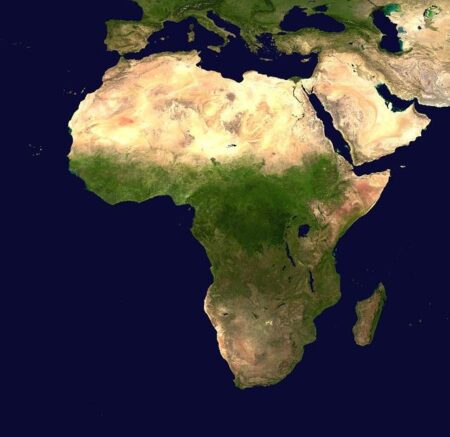
In a significant shift within Africa’s economic landscape, Morocco has overtaken South Africa to become the continent’s leading industrial economy, according to a recent report by Bloomberg. This development underscores Morocco’s strategic advancements in sectors including manufacturing, renewable energy, and automotive production, positioning the North African nation as a formidable player in regional and global markets. As South Africa grapples with challenges ranging from power shortages to persistent unemployment, Morocco’s robust economic policies and investment initiatives have garnered international attention, prompting analysts to rethink the traditional hierarchies of African economic power. This article delves into the factors enabling Morocco’s rise, the implications for South Africa, and the broader consequences for the continent’s industrial future.
Morocco’s Industrial Surge: Key Factors Behind Its Economic Triumph Over South Africa
Morocco’s ascent to the forefront of Africa’s industrial economy is underpinned by a series of deliberate policy choices and strategic initiatives that have catalyzed growth in numerous sectors. Government investments in infrastructure have created a conducive environment for businesses, particularly in logistics and transportation. Furthermore, state-sponsored programs targeting critical industries such as automotive, aerospace, and renewable energy have transformed the industrial landscape. Companies benefit from attractive incentives, including tax exemptions and streamlined regulations that foster innovation and attract foreign direct investment.
In contrast, South Africa’s industrial sector has grappled with challenges that have hindered its growth trajectory. While rich in resources, factors such as political instability, labor disputes, and infrastructure shortcomings have impeded development. The reliance on traditional sectors, combined with a slower pace of diversification, puts South Africa at a disadvantage. To illustrate these contrasting trends, the table below highlights key performance indicators for both countries’ industrial sectors:
| Indicator | Morocco | South Africa |
|---|---|---|
| GDP Contribution from Industry | 25% | 19% |
| Foreign Direct Investment (2022) | $1.4 billion | $1.1 billion |
| Sector Growth Rate (Annual) | 6.5% | 2.0% |
Strategic Investments and Infrastructure Development Fuel Morocco’s Economic Growth
Morocco’s ascent as a leading industrial economy on the African continent has been significantly influenced by a series of strategic investments and infrastructure projects. The government has prioritized the establishment of facilities that cater to various sectors, including automotive, aerospace, and renewable energy. Such initiatives have led to a robust manufacturing base, which now serves both local and international markets. Key factors driving this growth include:
- Foreign Direct Investment (FDI): Increased capital influx from global investors attracted by Morocco’s competitive labor costs and favorable business climate.
- Special Economic Zones: The establishment of zones that offer tax incentives and streamlined regulations for manufacturers, encouraging growth and innovation.
- Transportation Infrastructure: Development of road, rail, and port facilities that enhance logistics and connectivity, crucial for industrial expansion.
The Moroccan government’s commitment to improving infrastructure is evident in ambitious projects that pave the way for economic diversification. Investments in renewable energy, particularly in solar and wind sectors, aim to position the nation as a regional leader in sustainability. This focus not only attracts industries needing green energy but also aligns with global trends toward environmental responsibility. In addition, collaborative efforts between the public and private sectors have led to initiatives such as:
| Project | Description | Status |
|---|---|---|
| Noor Solar Complex | One of the largest solar power plants in the world, showcasing Morocco’s commitment to renewable energy. | Operational |
| Kenitra Atlantic Free Zone | A hub for automotive manufacturing, attracting major players like Renault and Peugeot. | Operational |
| Tanger-Med Port Expansion | Enhancing shipping capabilities to facilitate trade and boost industrial output. | Under Construction |
Recommendations for South Africa: Lessons from Morocco’s Industrial Success
As Morocco climbs the ranks to become Africa’s leading industrial powerhouse, South Africa can glean several vital insights from this transformation. Diversification of industries is key; Morocco has successfully broadened its industrial base beyond traditional sectors like textiles and mining to include automotive, aeronautics, and electronics. By investing in a diverse set of industries, South Africa could mitigate risks associated with dependence on a few key sectors, fostering resilience against global economic fluctuations. Furthermore, Morocco’s emphasis on public-private partnerships (PPPs) has enabled the country to leverage both financial investment and expertise from the private sector, resulting in innovative and efficient industrial operations.
Another lesson lies in infrastructure development. Morocco has made substantial investments in logistics and transport networks, enhancing the flow of goods and services necessary for a booming economy. South Africa should prioritize its own infrastructure projects, focusing on improving road, rail, and port facilities to facilitate smoother trade routes. Additionally, fostering a skilled workforce through education and vocational training programs is crucial. By aligning skills development with industry needs, South Africa can ensure that its labor market remains competitive and capable of supporting its industrial ambitions. A collaborative approach involving educational institutions and industries can promote a talent pool that meets future demands.
Wrapping Up
In conclusion, Morocco’s ascension as Africa’s leading industrial economy marks a significant pivot in the continent’s economic landscape. With strategic investments and a focus on sustainable growth, the North African nation has outperformed South Africa, which has long held this title. As Morocco continues to capitalize on its geographic advantage and strengthen its industrial base, it sets a precedent for other countries seeking to enhance their economic competitiveness. The implications of this shift extend beyond mere statistics, potentially influencing regional trade dynamics and investment flows. As we look ahead, the outcomes of Morocco’s industrial strategy will be closely watched, providing vital insights into the future of African economies on the global stage.