Title: Libya: The Central Node in RSF’s War Machine
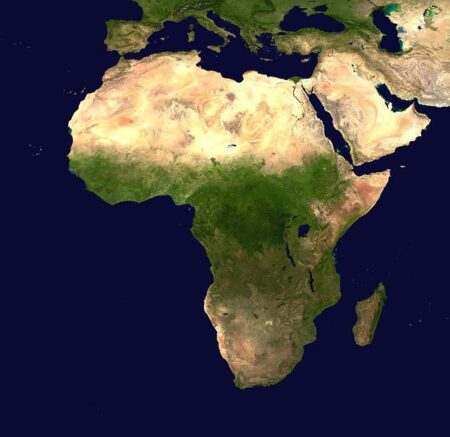
As conflicts across the African continent continue to evolve, the role of Libya has transformed into a strategic fulcrum in the regional power dynamics. In a comprehensive analysis by Africa Defense Forum, the Sudanese Rapid Support Forces (RSF) have been identified as leveraging Libya’s intricate political and military landscape to bolster their operations. This development raises critical questions about the trajectory of armed groups in North Africa and their implications for regional stability. With its history of political upheaval and ongoing security challenges, Libya’s position as a ‘central node’ in the RSF’s war machine underscores the urgent need for international attention and intervention. This article delves into the complexities of this relationship and its far-reaching consequences for both Libya and the broader African continent.
Libya’s Strategic Role in the Rapid Support Forces’ Expansion Across Africa
Libya’s geographical and political landscape has positioned it as a pivotal element in the strategic expansion of the Rapid Support Forces (RSF) across the African continent. Following the instability post-2011 revolution, the nation has morphed into a lucrative hub for militia activities and arms trafficking. This environment has been ripe for the RSF, allowing them to leverage Libya’s resources to bolster their operations in neighboring countries. The RSF has utilized Libya not just as a base of operations but as a staging ground for extending their influence into several key regions, including:
- West Africa – Gaining footholds in countries with ongoing conflicts.
- Central Africa – Exploiting political vacuums to assert control.
- North Africa – Strengthening cross-border alliances with like-minded groups.
The current dynamics suggest a well-orchestrated approach, combining military prowess with opportunistic alliances. By tapping into Libya’s existing infrastructure, the RSF has effectively enhanced its operational capabilities. Intelligence reports indicate enhanced logistics and supply chain management, making it easier for the RSF to maneuver resources rapidly across borders. A close examination reveals that the RSF’s reliance on Libyan dependencies has fostered a network able to efficiently disseminate personnel and arms, thus solidifying their stance in multiple conflict zones.
| Region | RSF Strategy | Potential Risks |
|---|---|---|
| West Africa | Expansion through local alliances | Increased conflict and instability |
| Central Africa | Exploiting political fragility | Humanitarian crises |
| North Africa | Strengthening networks | Regional escalation of violence |
Examining the Impact of the RSF’s Operations on Regional Stability and Security
The Rapid Support Forces (RSF) have effectively positioned Libya as a crucial operational hub in their extensive campaign across Africa. This strategic alignment is reshaping regional dynamics, with significant implications for both stability and security. By leveraging Libya’s geographical advantages and its complex political landscape, the RSF has expanded its influence, further destabilizing an already fragile nation. As a result, neighboring countries are experiencing heightened tensions, with border security being compromised and the risk of conflict spilling over into adjacent territories increasing. The RSF’s activities are not only a concern for Libya but also pose a potential threat to the broader Sahel region and Mediterranean security.
Moreover, the interplay between the RSF and various militias within Libya exacerbates the security dilemma faced by the Libyan state and its allies. These alliances can shift rapidly, causing volatility in local governance and creating power vacuums that extremist groups are quick to exploit. The implications include:
- Increased Migration: As instability rises, the flow of migrants seeking safety and better opportunities in Europe is likely to surge.
- Weapon Flow: The proliferation of arms throughout Libya could lead to a regional arms race among neighboring countries.
- Humanitarian Crisis: Ongoing conflicts and instability may lead to significant humanitarian needs, straining resources in surrounding nations.
| Impact Area | Description |
|---|---|
| Migration | Increase in migrant movements driven by conflict and insecurity. |
| Regional Tensions | Heightened tensions between neighboring states as they respond to instability. |
| Militia Violence | Rising violence from armed groups vying for control in Libya. |
Recommendations for International Response to Counter RSF Influence and Strengthen Libya’s Sovereignty
To effectively counter the rising influence of the RSF in Libya and bolster the nation’s sovereignty, international entities must prioritize a coordinated approach that combines diplomatic, economic, and military strategies. First, enhancing intelligence sharing among allied nations will provide critical insights into RSF operations and supply lines. Second, imposing targeted sanctions against key RSF leaders can diminish their access to resources, thereby destabilizing their operations. Third, supporting the legitimate Libyan government through military training and supplies will empower local forces to reclaim their territory and counter RSF advances effectively.
Furthermore, fostering regional partnerships is essential for a sustainable solution. Collaboration with African Union members and neighboring countries can strengthen border security and create a unified front against RSF incursions. Economic assistance, specifically aimed at rebuilding infrastructure and institutions in Libya, will help restore public confidence and reduce vulnerability to exploitation by militant groups. Establishing a comprehensive framework for dialogue among Libyan factions, under international mediation, can pave the way for long-term stability and governance, ultimately curtailing the RSF’s influence in the region.
To Conclude
In conclusion, the unfolding situation in Libya highlights its pivotal role as a central node in the expansive operations of Russia’s Wagner Group, as detailed by the Africa Defense Forum. The intertwining of local conflicts with international power plays underscores the complexities of Libya’s geopolitical landscape. As the country grapples with ongoing instability, the implications of foreign mercenary involvement threaten not only its national sovereignty but also regional security. The evolving dynamics in Libya serve as a stark reminder of how external influences can shape the trajectory of conflict, further complicating efforts toward peace and reconciliation. As stakeholders within and beyond Libya work to navigate this turbulent landscape, the need for a unified approach to address the roots of instability has never been more urgent. The world will be watching closely as events unfold in this strategically significant nation, poised at the crossroads of conflict and opportunity.