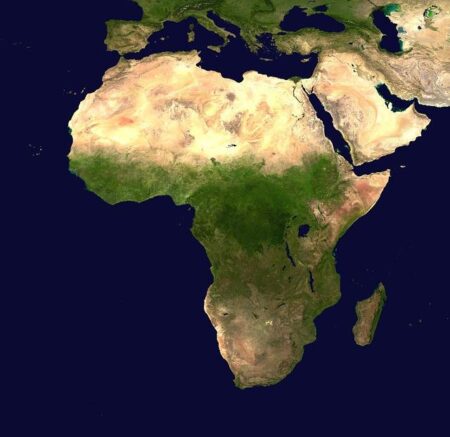
Ebola Epidemic Threatens 10 African Countries: Africa CDC Alerts Region
In a stark warning that has sent ripples through public health circles, the Africa Centres for Disease Control and Prevention (Africa CDC) has identified a looming threat of an Ebola epidemic across ten African nations. As the highly infectious virus continues to pose a significant risk, officials emphasize the urgent need for enhanced surveillance, preparedness, and response measures to combat the potential outbreak. The rising alarms come against a backdrop of recent incidences of Ebola in the region, raising concerns not just for immediate health risks but also for the broader public health infrastructure as nations brace for the unpredictable consequences of disease spread. With the clock ticking, health authorities and governments are being called to action to safeguard communities and curb the transmission of this deadly virus.
Ebola Outbreak Poses Serious Risk to Ten African Nations
The ongoing Ebola outbreak is causing significant alarm as it threatens to spread across ten African nations. Health authorities are on high alert, with the Africa Centres for Disease Control and Prevention (Africa CDC) voicing concerns about the virus’s potential impact on public health systems that are already strained. Countries such as Sierra Leone, Guinea, and Democratic Republic of the Congo are at the forefront, grappling with the challenges of prevention, surveillance, and response to the outbreak. The transmission of the virus, primarily through direct contact with bodily fluids, increases the urgency of containment measures.
In addition to the immediate health risks, the epidemic poses severe economic implications for the affected regions. Public health officials recommend a series of proactive strategies to mitigate the spread, including:
- Enhanced surveillance to detect and respond to new cases rapidly.
- Community engagement to inform and educate residents about Ebola prevention.
- Strengthening health infrastructure to cope with potential surges in infections.
- International collaboration for resource sharing and technical assistance.
These measures aim to build resilience within health systems and ensure that preventive actions are effective. Furthermore, regional cooperation and support from global health organizations are crucial in addressing the multifaceted challenges posed by the outbreak.
Africa CDC Calls for Urgent International Collaboration and Support
The Africa Centers for Disease Control and Prevention (Africa CDC) has raised alarm bells regarding the Ebola epidemic that poses a significant threat to at least ten African nations. In light of the escalating situation, which has the potential to spiral out of control, the organization is passionately urging the global community to step up collaboration and support. Comprehensive strategies need to be devised and implemented to enhance the preparedness and response capabilities of affected countries. This is particularly crucial given that the transmission dynamics of the virus can quickly overwhelm healthcare systems that are already at risk of being stretched thin.
To effectively combat the outbreak, the Africa CDC has outlined the following essential areas for international assistance:
- Medical supplies and resources: Immediate deployment of vaccines and antiviral treatments.
- Training and capacity building: Development of local healthcare workforce to manage and contain Ebola cases effectively.
- Public health education: Initiatives to inform communities about prevention measures and symptoms of the virus.
In addition, collaborative surveillance and research efforts are critical to track the virus’s spread and mutations. Enhanced communication networks between countries can facilitate better intelligence-sharing and quicker responses. The time to act is now, and without a unified global response, the potential for a devastating pandemic looms large over the continent.
Preventive Measures and Community Engagement Are Key to Containing Spread
The ongoing Ebola epidemic poses a severe threat to ten countries in Africa, highlighting the urgent need for effective preventive strategies. Individuals and communities play a vital role in curbing the virus’s spread. Authorities emphasize community engagement, advocating for proactive measures such as:
- Awareness campaigns: Educating the public about the symptoms and transmission of Ebola.
- Vaccination drives: Ensuring access to vaccines for at-risk populations.
- Safe burial practices: Implementing protocols to handle victims respectfully and safely.
- Monitoring health conditions: Community health workers can aid in tracking potential cases.
Moreover, collaborative efforts between government agencies, NGOs, and local communities are essential in building resilient health systems. Examples of successful strategies include:
| Strategy | Description |
|---|---|
| Rapid Response Teams | Deploying trained professionals to hot spots to contain outbreaks swiftly. |
| Community Health Education | Workshops to teach hygiene practices and disease prevention. |
| Partnerships with Local Leaders | Engaging traditional leaders to foster trust and mobilize resources. |
By fostering community involvement and adhering to preventive measures, countries can significantly mitigate the impact of this devastating virus.
Key Takeaways
In conclusion, the warning from the Africa Centers for Disease Control and Prevention underscores the urgent need for enhanced surveillance, rapid response mechanisms, and international collaboration in addressing the looming threat of the Ebola epidemic across ten African nations. As the situation develops, it is imperative that governments, health organizations, and communities work together to implement effective containment strategies and support those affected. The resilience of the African healthcare systems will be tested in the coming months, and global solidarity will be crucial in overcoming this public health challenge. As we continue to monitor the outbreak, the call for vigilance remains paramount to safeguard lives and prevent a wider crisis. Our thoughts remain with the affected communities as they navigate this precarious situation, and we encourage ongoing support from global partners.