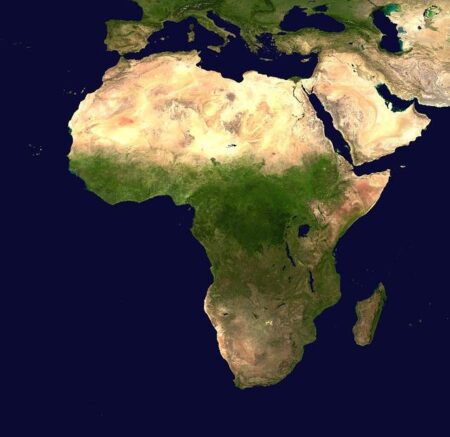
In a striking declaration during a recent forum in Senegal, leaders from Niger and Mali accused neighboring nations of sponsoring terrorism in the Sahel region. The comments come amid increasing tensions and security challenges faced by the two countries, which are grappling with a surge in militant attacks linked to various extremist groups. As regional instability continues to pose significant threats to peace and security, the allegations raise critical questions about the geopolitical dynamics in West Africa and the ongoing efforts to combat terrorism. The forum served as a platform for these nations to voice their grievances and seek solidarity in addressing the complex issues affecting their borders and communities.
Niger and Mali Accuse Regional Neighbors of Terrorism Sponsorship at Senegal Forum
During a recent forum in Senegal, representatives from Niger and Mali leveled serious allegations against their regional neighbors, claiming that some countries are actively supporting terrorist groups that destabilize the Sahel region. This startling accusation highlights the escalating tensions and complex geopolitical dynamics in West Africa. Officials from both nations pointed to a range of factors that they believe contribute to this troubling situation, including:
- Financial Assistance: Claims of neighboring countries funneling resources to extremist organizations.
- Logistical Support: Alleged provision of safe havens for terrorist operatives.
- Political Complicity: Accusations of lenient policies regarding individuals linked to terrorism.
In response, the accused nations vehemently denied any involvement and called for a collaborative approach to address the shared threats posed by terrorism. A stark divide remains, as Mali and Niger urged for a unified stance among West African nations while condemning external influences that exacerbate the violence. The discussion also touched on the need for enhanced regional security measures, with a strong emphasis on mutual cooperation. The forum served as a platform for all parties to express their views, as illustrated in the table below:
| Country | Position on Terrorism |
|---|---|
| Niger | Accuses neighbors of sponsorship |
| Mali | Calls for regional unity |
| Neighboring Nations | Denial of accusations |
Analyzing the Implications of Neighborly Accusations on West African Stability
The recent accusations from Niger and Mali at the Senegal forum alleging that neighboring countries are sponsoring terrorism pose serious questions about regional stability in West Africa. These claims exacerbate existing tensions and could potentially ignite further conflict among nations grappling with their own internal security challenges. The decisive elements surrounding these accusations hinge on several factors:
- Heightened Suspicion: The allegations foster an atmosphere of distrust, complicating diplomatic relations.
- Militant Recruitment: Accusations against neighboring states could serve as propaganda tools for extremist groups, enabling them to recruit disaffected populations.
- Humanitarian Impact: Escalating tensions may hinder humanitarian efforts within affected nations.
This environment of finger-pointing could catalyze a regional arms race, as nations may feel compelled to bolster their military capabilities in preparation for potential confrontations. The situation is further complicated by the historical context of border disputes and colonial legacies, which still influence perceptions and relations today. A closer examination reveals:
| Key Factors Influencing Stability | Potential Outcomes |
|---|---|
| Mutual Allegations | Risk of escalating military confrontations |
| International Attention | Possible intervention or mediation efforts |
| Economic Consequences | Disruption of trade and investment opportunities |
Strategies for Collaborative Security Measures Against Terrorism in the Sahel Region
The recent discussions at the Senegal forum highlighted the urgent need for robust collaborative security strategies in the Sahel region. Senegal’s neighboring countries, Niger and Mali, have accused other regional players of supporting terrorist activities, underscoring the necessity for a unified approach. To effectively combat the rising tide of terrorism, it is imperative that these nations engage in intelligence sharing and joint military operations, leveraging their respective strengths and resources. This could involve:
- Establishing regional intelligence-sharing networks to monitor activities and gather insights on terrorist movements.
- Coordination of military efforts through joint task forces that can respond swiftly to threats.
- Engaging local communities to foster trust and cooperation, which can aid in gathering local intelligence.
Additionally, addressing the root causes of extremism is critical in these strategic conversations. Many experts emphasize the role of socioeconomic development in curbing terrorism. Establishing programs that enhance education, create job opportunities, and promote social stability can decrease the allure of extremist ideologies. Potential initiatives may include:
| Initiative | Description |
|---|---|
| Vocational Training Programs | Training young adults in trade skills to improve job prospects. |
| Community Engagement Projects | Programs to unite diverse groups through cultural events and dialogues. |
| Microfinance Initiatives | Providing small loans to entrepreneurs to stimulate local economies. |
In Conclusion
In conclusion, the alarming assertions made by Niger and Mali at the recent Senegal forum underscore the rising tensions in West Africa regarding issues of national security and regional stability. Both countries, grappling with the growing threat of terrorism within their borders, have pointed fingers at their neighbors, illustrating the complexity of alliances and rivalries in the Sahel region. As the international community continues to monitor developments in this volatile area, the potential for escalation and the need for collaborative counter-terrorism efforts remain pressing concerns. The dialogue initiated at this forum may be critical in shaping future responses to terrorism and fostering a more secure environment for all nations involved. As these narratives unfold, the implications for regional diplomacy and security strategies are bound to reverberate well beyond the borders of Niger and Mali.