Chad and the Democratic Republic of the Congo Reported as Africa’s Most Polluted Air Regions, While Réunion and the Canary Islands Shine as the Cleanest – IQAir 2025 Report
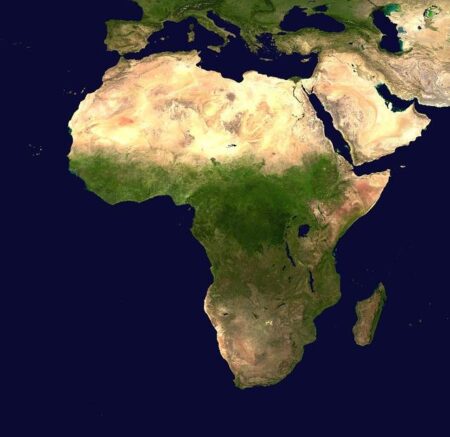
In a striking revelation, the latest IQAir 2025 report has highlighted the stark disparities in air quality across the African continent, with Chad and the Democratic Republic of the Congo emerging as the regions grappling with the dirtiest air. The findings underscore a pressing public health crisis in these nations, where deteriorating air quality poses significant risks to millions. Contrastingly, the report showcases Réunion and the Canary Islands, which have been recognized for their remarkably clean air, providing a rare beacon of hope amidst the continent’s environmental challenges. As global attention increasingly turns towards air pollution and its far-reaching impacts, this report serves as a crucial reminder of the urgent need for effective policies and community actions to address air quality issues in Africa.
Chad and DR Congo Face Severe Air Quality Crisis Amid Growing Health Concerns
Recent findings from the IQAir 2025 report have unveiled alarming air quality statistics, positioning Chad and the Democratic Republic of Congo at the forefront of Africa’s air pollution crisis. Both countries are grappling with deteriorating air quality, a situation exacerbated by factors such as unchecked industrial emissions, widespread vehicular pollution, and rampant deforestation. Health experts have raised serious concerns, indicating that poor air quality could lead to a surge in respiratory diseases, cardiovascular issues, and a variety of other health complications. Residents in urban areas are particularly vulnerable, with children and the elderly bearing the brunt of this environmental challenge.
As these nations battle the repercussions of toxic air, public health officials are advocating for immediate interventions. Proposed measures include:
- Implementation of stricter air quality regulations to control industrial emissions.
- Investment in cleaner public transportation alternatives to reduce vehicular pollution.
- Increased reforestation efforts to combat deforestation and improve air quality.
The report also highlights regions like Réunion and the Canary Islands as examples of effective air quality management, urging Chad and DR Congo to adopt similar strategies. With a comprehensive approach to air quality management, there is potential for significant improvements that could protect the health of millions.
Réunion and Canary Islands Set Benchmark for Clean Air Standards in Africa
The latest IQAir report reveals a stark contrast in air quality across Africa, with Réunion and the Canary Islands emerging as the regions with the cleanest air. These islands illustrate what can be achieved when environmental policies prioritize air quality, supported by robust sustainability initiatives. Factors contributing to their success include:
- Strict emissions regulations: Government enforcement of stringent guidelines for industries and transportation.
- Investment in renewable energy: A shift towards solar and wind energy that reduces reliance on fossil fuels.
- Community engagement: Initiatives that encourage local populations to participate in clean air programs.
In stark contrast, Chad and the Democratic Republic of the Congo rank at the bottom of the air quality index, largely due to industrial pollution, deforestation, and inadequate infrastructure. This continues to pose severe health risks to millions. The growing awareness of air quality issues has led to discussions on improving standards across the continent, emphasizing the importance of infrastructural development and regulatory oversight. Key contributors to the air quality challenges faced by these countries include:
- High levels of particulate matter: Resulting mainly from industrial waste and vehicle emissions.
- Lack of governmental accountability: Inefficient enforcement of existing environmental laws.
- Poor urban planning: Leading to congestion and increased air pollution.
Urgent Call for Policy Reforms and Community Action to Combat Air Pollution in Contaminated Regions
The recent IQAir 2025 report highlights a staggering reality: Chad and the Democratic Republic of Congo continue to rank among the nations with the highest levels of air pollution in Africa. This alarming trend demands immediate attention and action from both policymakers and community leaders. The time has come for a robust response to safeguard public health and the environment. To address this crisis effectively, key measures must be prioritized, including:
- Strengthening Regulations: Governments need to implement and enforce stricter air quality standards to regulate emissions from industries and vehicles.
- Investment in Clean Energy: Transitioning to renewable energy sources can significantly reduce reliance on fossil fuels, contributing to cleaner air.
- Public Awareness Campaigns: Educating communities about the health impacts of air pollution can empower individuals to advocate for cleaner environments.
- Community Clean-Up Initiatives: Encouraging local groups to organize tree-planting and urban clean-up efforts can help improve air quality in urban areas.
Moreover, the disparities in air quality across Africa underline the urgent need for coordinated action. Regions such as Réunion and the Canary Islands showcase the positive effects of committed environmental policies and proactive citizen engagement. To bridge the gap between polluted and pristine areas, governments must embrace collaborative approaches, working alongside non-governmental organizations and local communities. An effective strategy could also involve:
| Action | Description |
|---|---|
| Research and Monitoring | Establishing air quality monitoring systems to gather data and inform policy decisions. |
| International Cooperation | Partnering with global entities to share resources and best practices for air quality management. |
By prioritizing these reforms and fostering community involvement, we can take significant strides towards combating air pollution and ensuring a healthier future for all affected regions.
Insights and Conclusions
In summary, the 2025 IQAir report sheds light on the stark disparities in air quality across Africa, with Chad and the Democratic Republic of Congo consistently ranking as the continent’s most polluted nations. These findings underscore the urgent need for targeted environmental policies and public health initiatives to combat air pollution in these regions. Conversely, Réunion and the Canary Islands shine as beacons of clean air, reflecting the positive impact of effective environmental management practices. As the continent grapples with rising health concerns linked to air quality, these insights offer vital information for policymakers, health specialists, and communities alike. The stark contrast in air quality across Africa emphasizes the responsibility shared by all nations to prioritize clean air as a fundamental right for their citizens.