Understanding Migration Along the Eastern Route Through Djibouti: Insights from IOM Storyteller
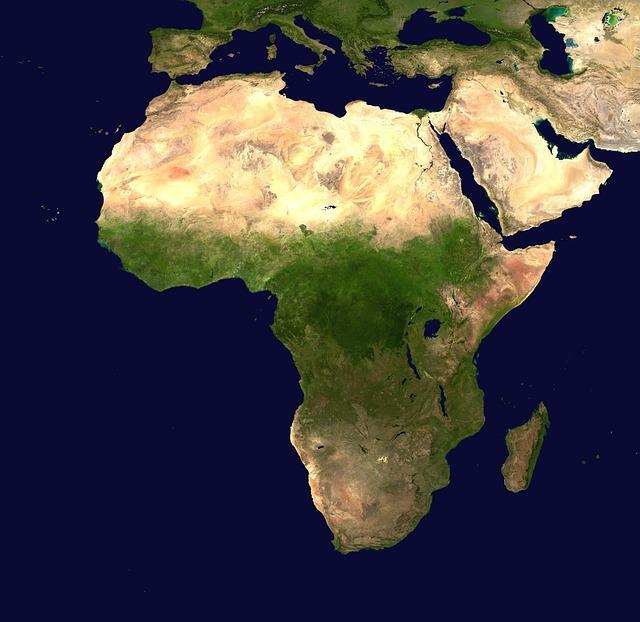
As the sun rises over the arid landscape of Djibouti, a small yet strategically significant country at the crossroads of Africa and the Arabian Peninsula, a complex tapestry of human movement unfolds. The Eastern migration route, traversed by thousands seeking refuge, opportunity, and a new beginning, has become a focal point for humanitarian organizations and policymakers alike. Among the voices shedding light on this multifaceted issue is the International Organization for Migration (IOM), whose storytellers are on the ground, documenting the experiences of those making this perilous journey. This article delves into the dynamics of migration along this route, exploring the challenges faced by migrants, the responses from local and international communities, and the urgent need for a comprehensive understanding of the factors driving this ongoing wave of movement. As we unravel these narratives, we aim to illuminate not only the struggles and resilience of individuals but also the broader implications for regional stability and global migration policies.
Understanding the Complexities of Migration Patterns in Djibouti
Migration through Djibouti is shaped by a myriad of factors that highlight the intricate resilience and adaptability of individuals navigating their way towards safer and more prosperous lives. As a pivotal juncture along the Eastern Migration Route, the country attracts diverse groups of migrants, each with distinct backgrounds and motivations. Among these factors are:
- Geopolitical Influences: Djibouti’s strategic location near the Red Sea creates unique opportunities and challenges, acting as both a gateway and a transit hub for migrants from Sub-Saharan Africa and beyond.
- Conflict and Instability: Ongoing conflicts in neighboring regions drive many to seek refuge, intensifying the flow of individuals desperate for safety.
- Economic Factors: The promise of economic stability and job opportunities in countries further along the route fuels the migration drive, despite the inherent dangers involved.
Understanding the experiences of these migrants reveals the human stories behind the statistics, underscoring the vulnerabilities that accompany their journeys. Many individuals face significant hurdles in accessing basic services, including healthcare, shelter, and legal assistance. To illustrate these challenges, consider the table below that summarizes key statistics on migration trends through Djibouti:
| Year | Estimated Migrants | Primary Destinations |
|---|---|---|
| 2020 | 52,000 | Yemen, Saudi Arabia |
| 2021 | 67,500 | Europe, North America |
| 2022 | 80,000 | Middle East, Gulf States |
Insights into the Challenges Faced by Migrants on the Eastern Route
The journey along the Eastern Route through Djibouti presents myriad challenges for migrants seeking better opportunities. Many individuals who embark on this perilous path are fleeing conflict, persecution, or severe economic hardship in their home countries. However, their dreams of reaching safety frequently collide with harsh realities, including:
- Dangerous Conditions: The perilous journey encompasses treacherous terrain and extreme weather conditions, exposing migrants to significant risks such as dehydration and physical harm.
- Exploitation: Many face exploitation by traffickers and smugglers who prey on their vulnerabilities, forcing them into labor or coercive situations.
- Limited Access to Services: Essential services such as healthcare and legal assistance are often lacking, leaving migrants without crucial support during their journey.
- Border Policies: Strict border controls and immigration policies can lead to detention or forced returns, compounding their struggles for safety.
Moreover, the mental and emotional toll of migration can be profound. Migrants often endure long periods of uncertainty and fear, prompting a host of psychological challenges. A recent survey conducted by the International Organization for Migration (IOM) highlighted the following key factors affecting migrants’ mental well-being:
| Mental Health Factor | Percentage Affected |
|---|---|
| Anxiety and depression | 65% |
| Post-Traumatic Stress Disorder (PTSD) | 40% |
| Social isolation | 55% |
| Fear of violence | 70% |
This holistic view underscores the urgent need for coordinated international responses to address both the immediate hardships and the long-term mental health effects faced by migrants along this challenging route.
Recommendations for Enhancing Support and Protection for Migrants
To effectively enhance support and protection for migrants along the Eastern Route through Djibouti, it is crucial to adopt a multi-faceted approach that prioritizes the well-being and rights of these vulnerable populations. Governments and NGOs should work collaboratively to establish comprehensive legal frameworks that safeguard the rights of migrants. Furthermore, increased funding and resources are vital to improve living conditions and access to essential services. Key initiatives may include:
- Establishing dedicated shelters that provide safety and basic needs.
- Implementing health care programs tailored to migrant populations, including mental health support.
- Fostering partnerships with local communities to promote social inclusion.
- Enhancing access to legal assistance and information regarding migration pathways.
Moreover, education and empowerment initiatives are essential to ensure that migrants can navigate their journeys safely. This includes providing language training and vocational skills that enable migrants to integrate into their new communities effectively. A focus on community engagement can further foster cooperation and understanding between migrants and host populations. Potential actions include:
| Action Item | Description |
|---|---|
| Awareness Campaigns | Develop campaigns to inform public perception about the contributions of migrants to local society. |
| Skills Workshops | Conduct workshops on job skills to enhance employment opportunities for migrants. |
| Community Dialogues | Facilitate dialogues between migrants and local residents to build mutual trust. |
Concluding Remarks
In conclusion, the journey along the Eastern migration route through Djibouti encapsulates a complex narrative shaped by hope, resilience, and the quest for a better life. As highlighted by the International Organization for Migration’s latest insights, the experiences of migrants traversing this perilous path expose the urgent need for comprehensive policy responses and humanitarian support. Understanding the myriad factors that drive these individuals to undertake such daunting journeys is crucial not only for addressing immediate needs but also for fostering dialogue on migration management that respects human dignity. As this story unfolds, it calls upon governments, civil society, and international organizations to collaborate in creating safer avenues for migration, ensuring that every story is heard and valued. The challenges faced by these migrants resonate beyond borders, demanding a global reflection on our shared responsibilities as citizens of the world.