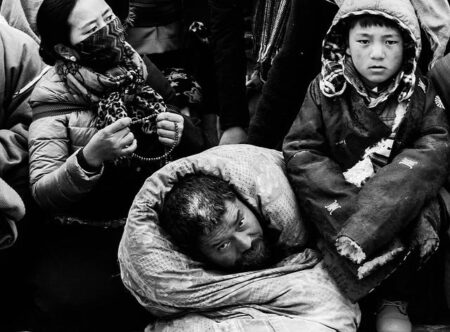
In the wake of recent U.S. travel restrictions, a diverse community of Africans, including passionate sports fans, dedicated healthcare professionals, and talented musicians, has expressed deep frustration and dismay over the impact of these bans. As the United States grapples with its immigration policies, these individuals, who contribute significantly to cultural exchange, medical advancement, and sporting events, find themselves sidelined from opportunities that are essential not only for personal growth but also for fostering international ties. The consequences of the travel ban resonate widely, highlighting the intersections between immigration policy and the vibrant tapestry of African life, as voices from the continent call for a reconsideration of these barriers. Through this lens, we explore the stories and sentiments of those affected, shedding light on the broader implications of such restrictions in an increasingly interconnected world.
Impact of Travel Restrictions on African Professionals and Artists
The recent travel restrictions imposed by the U.S. have cast a long shadow over African professionals and artists, creating a ripple effect that transcends national borders. These measures have directly affected individuals from various sectors, including healthcare, culture, and sports, undermining the potential for collaboration, knowledge exchange, and exposure to international markets. Many doctors who once sought training and fellowship opportunities in the U.S. now face uncertainty in their careers, while musicians and creative professionals find their aspirations curtailed.
In light of these restrictions, the impact on the arts is particularly severe, with many artists unable to attend international festivals, collaborate on projects, or perform live to diverse audiences. This limitation not only diminishes individual careers but hampers the cultural dialogue that thrives on international platforms. To illustrate the breadth of these challenges, consider the following table that highlights the sectors and specific issues faced:
| Sector | Issues Faced |
|---|---|
| Healthcare | Hindered training opportunities and knowledge exchange. |
| Arts | Missed performances and cultural exchanges. |
| Sports | Inability to participate in international competitions. |
Voices of Discontent: Personal Stories Behind the U.S. Travel Ban
A wave of frustration has swept across the African continent as individuals from various walks of life express their dismay over the U.S. travel ban. For many, this restriction is not merely a bureaucratic obstacle but a profound emotional burden. Sports enthusiasts have found their passion stifled, with travel plans for prestigious events abruptly curtailed. Musicians, eager to showcase their talents on international stages, now find doors closed to them, silencing their voices in a globally connected music industry.
| Occupation | Impact of Travel Ban |
|---|---|
| Sports Fans | Unable to attend major events, losing connections with teams. |
| Doctors | Stalled medical training and collaboration with U.S. institutions. |
| Musicians | Global performances canceled, losing valuable networking opportunities. |
Moreover, the voices of healthcare professionals caught in this political crossfire are equally significant. As numerous African doctors seek to enhance their skills and knowledge through training in the U.S., the travel restrictions have thwarted their ambitions, delaying advancements in healthcare in their home countries. Families, separated across continents, grapple with uncertainty, their reunions now hinging on a complex web of immigration policy. The collective lament for lost opportunities echoes through bustling cities and quiet towns alike, revealing a deeper story of aspiration hindered by geopolitics.
Proposed Solutions for Easing Travel Barriers and Fostering Cultural Exchange
In response to the challenges posed by travel restrictions, a series of innovative proposals have emerged aimed at facilitating smoother travel for individuals from African nations. Advocates suggest implementing bilateral agreements between the U.S. and various African countries to streamline visa processes. Such agreements could reduce bureaucratic hurdles and expedite approvals for visitors, particularly for those involved in sports, healthcare, and music. Additionally, organizing cultural exchange programs could enhance understanding and foster goodwill between nations, allowing talented athletes, medical professionals, and artists to connect and collaborate seamlessly.
Furthermore, leveraging technology could play a pivotal role in mitigating travel barriers. Developing an online platform that offers easy access to visa information, application procedures, and appointment scheduling would significantly improve the experience for travelers. To complement this, establishing a travel ambassador program, where former visitors share their experiences and advice, could inspire and assist potential travelers. By focusing on mutual benefits and shared interests, these initiatives aim to create a more inclusive landscape that celebrates diversity while promoting economic growth and enriching cultural exchanges.
Final Thoughts
As the U.S. travel ban continues to reverberate across multiple sectors, the voices of African sports fans, medical professionals, and musicians grow louder in their call for change. For many, this policy not only jeopardizes career opportunities and cultural exchange but also strains the personal connections that bridge continents. The collective outcry underscores a growing sentiment that such barriers are not merely logistical challenges but profound injustices that undermine the very spirit of global collaboration. As advocates rally for a reconsideration of these travel restrictions, the implications of this ban echo far beyond borders, prompting a crucial conversation about inclusivity and the importance of unity in an increasingly divided world.