In the tumultuous political landscape of the Comoros, President Azali Assoumani stands as the frontrunner in a highly contentious election marked by allegations of irregularities and widespread discontent. As citizens prepare to cast their votes, the atmosphere is fraught with tension, reflecting deep divisions within the archipelago nation. Assoumani, who has dominated Comorian politics for decades, faces challengers who accuse his administration of stifling democracy and manipulating electoral processes. With critical international scrutiny and the stakes higher than ever, the upcoming election could significantly shape the future of the Comoros, raising questions about governance, stability, and the will of the people. As the nation stands on the brink of yet another pivotal moment, the implications of this election extend far beyond its immediate outcome, resonating throughout the region and beyond.
Controversy Surrounds Azali Assoumani Ahead of Critical Comorian Election
The upcoming elections in the Comoros are overshadowed by extensive allegations of autocratic behavior and political maneuvering surrounding President Azali Assoumani, who has positioned himself as the frontrunner despite the charged atmosphere. Critics highlight a series of controversial actions undertaken by Assoumani that they argue undermine democratic principles, including the suppression of dissent and changes to electoral laws that favor his administration. Amid intensifying scrutiny, many citizens express concern over the fairness of the electoral process, which has raised questions about potential voter manipulation and media censorship.
As tensions rise, the opposition, which is fragmented yet resolute, has been vocal about its dissatisfaction with the current regime. Key issues central to the electoral debate include:
- Governance and Corruption: Distrust in governmental transparency and accountability
- Human Rights Violations: Reports of crackdowns on protests and freedom of expression
- Economic Challenges: Rising unemployment and the impact of economic policies on daily life
As the election date approaches, local observers call for international attention to ensure that democratic norms are upheld, fearing that a compromised electoral process could exacerbate existing tensions within the island nation.
Election Integrity at Stake as Opposition Voices Concerns
As the presidential election in the Comoros approaches, the opposition has raised significant concerns regarding the integrity of the electoral process. Accusations of irregularities and pre-election tactics aimed at undermining fair competition have dominated the conversation. Activists and political opponents of incumbent President Azali Assoumani are questioning the legitimacy of the electoral framework, highlighting potential biases that could diminish the credibility of the upcoming polls. Key issues being spotlighted include:
- Media Restrictions: Claims of censorship affecting opposition campaign efforts.
- Voter Registration Irregularities: Allegations of discrepancies in voter rolls that may disenfranchise certain demographics.
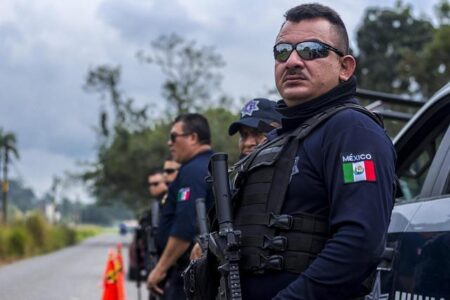
- Security Forces’ Presence: Concerns about intimidation tactics employed by authorities against opposition rallies.
The stakes are notably high as effects ripple through the socio-political landscape of the nation. In response to these allegations, the government has defended its electoral processes, insisting that monitoring bodies are in place to ensure fairness. Nonetheless, the growing distrust among citizens signals a looming challenge for the legitimacy of the elections. Below is a breakdown of notable political parties contesting the election, illustrating the landscape of opposition that is contesting Assoumani’s grip on power:
| Political Party | Leadership | Key Agenda |
|---|---|---|
| Juventus | Youssouf Mohamed | Reform and Social Justice |
| CRC | Mohamed Ramadani | Anti-Corruption Measures |
| UDC | Said Ali Mshangama | Economic Diversification |
Navigating Political Tensions: Strategies for a Fair Democratic Process in the Comoros
The political landscape in the Comoros is increasingly fraught with tensions as the upcoming election looms. With President Azali Assoumani positioned as a frontrunner, concerns about electoral fairness and integrity have been raised. To ensure a balanced democratic process, various strategies must be employed. Key recommendations include:
- Strengthening Electoral Institutions: Establishing independent bodies to oversee election processes can bolster public trust and transparency.
- Enhancing Voter Education: Comprehensive campaigns aimed at informing citizens about their voting rights and the electoral process can mitigate disinformation.
- Engaging Civil Society Organizations: Involving NGOs and civic groups in monitoring elections can help ensure that all voices are heard fairly.
- Promoting Dialogue Among Political Parties: Encouraging discussions and negotiations among different political factions can lower tensions and foster cooperation.
Furthermore, addressing the underlying grievances of the populace is essential for a sustainable democratic environment. A balanced approach should prioritize inclusivity and representation of all demographic groups. Below is a simplified overview of potential impacts of heightened political participation:
| Impact | Description |
|---|---|
| Increased Voter Turnout | More citizens engaging in the electoral process can lead to a more representative outcome. |
| Reduced Political Violence | Encouraging peaceful dialogue and participation can diminish tensions and hostility. |
| Strengthened Governance | Enhanced legitimacy from a fair election process can lead to better governance practices. |
Wrapping Up
As the electoral landscape in the Comoros becomes increasingly fraught with tension and allegations of irregularities, President Azali Assoumani stands as the favored candidate in a race marked by deep political divisions. With the country’s democratic integrity at stake, both local and international observers will be closely monitoring the unfolding situation. The coming days will prove crucial not only for Assoumani’s presidency but also for the future of governance and civil liberties in the archipelago. As the votes are cast and counted, the world watches, hoping for a peaceful resolution in a nation navigating the choppy waters of electoral democracy.