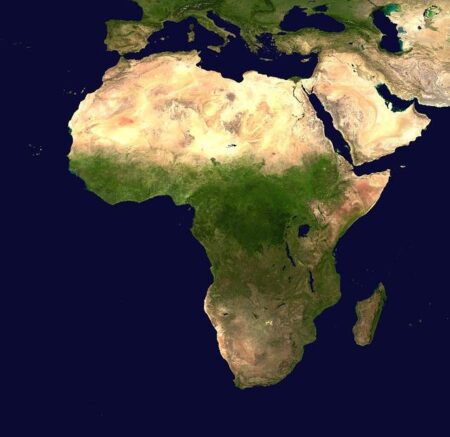
In recent years, Mali has emerged as a focal point of international concern, grappling with a protracted security crisis exacerbated by extremist violence, political instability, and humanitarian challenges. As the African nation strives to restore order amidst these challenges, it has increasingly turned to new partnerships to bolster its security framework. One prominent player in this complex geopolitical landscape is Russia, whose involvement in Mali and the broader Sahel region has sparked both intrigue and controversy. This article explores the multifaceted role that Russia has assumed in Mali’s security strategy, examining the implications of its actions for local governance, regional stability, and international relations in a volatile area where the footprints of foreign influence are deeply etched into the fabric of ongoing conflicts. From military assistance to diplomatic outreach, Russia’s growing presence signifies a notable shift in the geopolitical dynamics of the Sahel, raising critical questions about the future of security and cooperation in a region marked by turmoil.
Russia’s Expanding Influence in Mali’s Security Landscape
In recent years, Russia has significantly enhanced its presence in Mali, capitalizing on the country’s deteriorating security situation and the perceived failures of Western intervention. Moscow’s strategy appears multifaceted, involving military cooperation, arms sales, and the provision of security services. A key player has been the paramilitary group Wagner, which has been reported to operate in Mali, ostensibly offering support to the Malian military against insurgent groups. As Mali struggles against Islamist extremism and political instability, many within the government see Russian involvement as a viable alternative to traditional Western allies, who are viewed with skepticism.
Meanwhile, the implications of this expanding influence extend beyond Mali’s borders, affecting the broader Sahel region. Key aspects of Russia’s engagement include:
- Military Training: Providing specialized training to Malian forces.
- Arms Supply: Equipping local military with advanced weaponry.
- Political Support: Aligning with certain factions in Mali’s transitional government.
- Resource Extraction: Gaining access to minerals and other resources through security contracts.
This strategic partnership not only presents an opportunity for Russia to expand its influence in West Africa but also raises concerns for regional stability. As alliances shift, neighboring countries remain wary of Russia’s increasing foothold and its potential to reshape the security dynamics in the Sahel.
Tensions in the Sahel: Assessing the Impact of Russian Interventions
The Sahel region, particularly Mali, has witnessed a notable shift in the security landscape following Russia’s involvement in recent years. As local governments grapple with escalating violence from extremist groups and a weak military presence, Russian security firms, notably the Wagner Group, have positioned themselves as key players in addressing these security challenges. This intervention has not only provided immediate military support but has also shifted the dynamics of regional alliances. Key aspects of Russia’s role include:
- Military Training and Equipment: Russian contractors have provided training to Mali’s military forces, promising improved operational capabilities.
- Strategic Partnerships: The Sahel’s growing instability has led to an increasing alignment with Russia, diversifying partnerships away from traditional Western allies.
- Natural Resource Exploitation: Russia’s involvement often intersects with interests in mining and resource extraction, raising questions about long-term intentions.
However, the presence of Russian forces has elicited mixed reactions among local populations and international observers. Reports of human rights abuses and a lack of accountability have sparked significant concern, complicating the narrative surrounding these interventions. The ambivalence towards Russian activities is starkly illustrated in the following table, which contrasts the immediate perception of security improvements with lingering doubts about governance:
| Factor | Perception |
|---|---|
| Security Assurance | Increased military presence and operations against insurgents. |
| Human Rights Concerns | Reports of abuses and a disregard for civilian safety. |
| Long-term Stability | Uncertain due to external influence and resource exploitation. |
Strategic Recommendations for Western Engagement in Mali and the Sahel
In light of the growing influence of Russia in Mali and the wider Sahel region, it is imperative for Western nations to rethink their approach to engagement. The increasing military collaboration between the Malian government and Russian entities emphasizes the need for a multifaceted strategy that addresses local security concerns while simultaneously promoting democratic governance and development. Prioritizing the establishment of robust partnerships with regional organizations can help in cultivating a united front against extremist threats, including the incorporation of traditional conflict resolution mechanisms of local communities into peacebuilding efforts. Additionally, enhancing intelligence-sharing frameworks and operational coordination with African Union and ECOWAS forces can provide a more effective counter-terrorism response.
Western stakeholders must also consider addressing the socio-economic factors contributing to instability in Mali and the Sahel. By investing in educational programs, infrastructure development, and job creation, they can counteract the narratives that extremist groups exploit. The implementation of community-driven initiatives allows for a more localized response to grievances, which can help undermine the appeal of foreign powers, including Russia. Furthermore, maintaining a dialogue with local leaders and civil society groups can ensure that strategies are culturally relevant and supported by the population, ultimately leading to a more stable and prosperous Sahelian region.
In Conclusion
In conclusion, Russia’s engagement in Mali and the broader Sahel region marks a significant shift in the dynamics of international security partnerships. As Mali grapples with escalating violence and instability, Moscow’s influence is becoming increasingly evident through military cooperation and the provision of security services, largely facilitated by the Wagner Group. This evolving relationship raises critical questions about the implications for Western presence and interests in the region, as well as the long-term impact on regional security and governance. As Mali navigates its path forward amid complex geopolitical currents, the balancing act between traditional alliances and new partnerships will remain a focal point for policymakers both domestically and internationally. Monitoring the outcomes of Russia’s involvement will be crucial in understanding the future landscape of security in Mali and the Sahel.