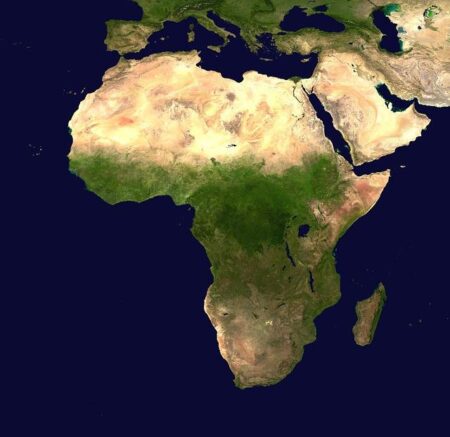
Botswana, a landlocked country in Southern Africa, has often been hailed as a beacon of stability and economic progress on the continent. Since gaining independence from Britain in 1966, it has transformed from one of the poorest nations into a middle-income country, largely due to its prudent management of diamond resources. This country profile examines Botswana’s political landscape, economic development, social challenges, and its role within the region, offering an insightful overview into one of Africa’s most remarkable success stories.
Political Stability and Economic Growth Driving Botswana’s Success
Botswana’s remarkable economic trajectory is deeply intertwined with its enduring political stability, a rare achievement in a region often marked by volatility. Since gaining independence in 1966, Botswana has maintained a consistent commitment to democratic governance, transparent institutions, and sound fiscal policies. This steady political environment has fostered investor confidence and encouraged sustainable development, setting the stage for the nation’s sustained economic growth. The government’s emphasis on prudent management of diamond revenues has also played a pivotal role, ensuring that wealth generated from natural resources translates into nationwide progress rather than short-term gains.
Key factors underpinning this dynamic include:
- Strong institutional framework: The presence of fair judiciary and anti-corruption measures that protect rights and uphold the rule of law.
- Diversification efforts: Investments into sectors like tourism, agriculture, and financial services, reducing over-dependence on mining.
- Social policies: Strategic public health and education programs that build human capital and improve quality of life.
| Indicator | Botswana (2023) | Sub-Saharan Average |
|---|---|---|
| GDP growth rate | +3.8% | +2.7% |
| Inflation rate | 4.2% | 7.1% |
| Unemployment rate | 16.5% | 9.4% |
| Foreign direct investment (FDI) inflows (% of GDP) | 5.1% | 3.3% |
| Government debt (% of GDP) | 34% | 60% |
Challenges in Healthcare and Education Amid Rapid Development
Despite Botswana’s impressive economic strides, significant hurdles persist in its healthcare and education sectors. The rapid pace of urbanization and development has strained existing infrastructures, leading to uneven access to essential services across the country. Rural communities, in particular, face shortages of qualified medical personnel and basic educational resources. Healthcare facilities are often overwhelmed, grappling with a high burden of HIV/AIDS alongside rising cases of non-communicable diseases, challenging authorities to balance immediate needs with long-term system strengthening.
The education sector is similarly pressured by growing demand and evolving workforce requirements. While enrollment rates have increased, disparities in quality and retention remain a concern. Schools frequently contend with inadequate learning materials and insufficient teacher training, particularly in STEM fields, critical for sustaining Botswana’s development momentum. Government initiatives target these issues, yet progress is incremental and uneven. Key challenges include:
- Infrastructure gaps in rural and peri-urban areas
- Limited healthcare workforce and uneven skill distribution
- Resource constraints impacting quality of education
- High disease burden taxing health services
| Sector | Key Challenge | Impact |
|---|---|---|
| Healthcare | Shortage of medical staff | Longer patient wait times |
| Education | Insufficient teaching materials | Lower student retention |
| Healthcare | High disease prevalence | Increased hospital admissions |
| Education | Uneven access to quality schools | Urban-rural achievement gap |
Strategies for Sustainable Tourism and Environmental Conservation
Botswana has emerged as a global leader in fostering sustainable tourism by aligning its economic ambitions with environmental stewardship. The government emphasizes community involvement, ensuring that local populations benefit directly from conservation efforts. This approach not only preserves biodiversity but also curbs wildlife poaching and habitat loss. Key strategies include regulating tourist numbers through a strict permit system, enforcing eco-friendly practices among lodges and camps, and investing in conservation education programs designed to raise awareness both locally and internationally.
Innovative partnerships between public authorities, NGOs, and private sectors have amplified the impact of conservation initiatives. These collaborations focus on:
- Anti-poaching technology: Utilization of drones and satellite tracking to monitor vulnerable species.
- Community-based natural resource management: Empowering local tribes to manage protected areas sustainably.
- Eco-certification programs: Encouraging tourism businesses to adopt sustainable operational standards.
| Strategy | Impact | Example |
|---|---|---|
| Permit System | Controlled tourist influx | Okavango Delta |
| Community Involvement | Economic upliftment & conservation | San Bushmen Programs |
| Anti-Poaching Tech | Reduced wildlife crimes | Drones in Chobe National Park |
Wrapping Up
As Botswana continues to navigate the challenges and opportunities of the 21st century, its unique blend of political stability, economic growth, and rich cultural heritage positions it as a noteworthy player on the African continent. Understanding the country’s profile provides valuable insight into its past achievements and future potential. For more detailed and up-to-date information, stay tuned to BBC’s ongoing coverage of Botswana and the region.


A sports reporter with a passion for the game.
Related Posts