As the Middle East grapples with persistent conflicts and geopolitical tensions, the reverberations of war extend far beyond its borders, impacting nations across Africa in profound and multifaceted ways. This article delves into the complex consequences that arise from the ongoing turmoil in the Middle East, examining how conflicts, political instability, and humanitarian crises create ripple effects that influence African countries. From the influx of refugees to shifts in trade dynamics and the rise of extremist ideologies, the ramifications of Middle Eastern warfare present significant challenges for African nations struggling to maintain stability and security. With a focus on these interconnected issues, we aim to shed light on the urgent need for collaborative solutions that address the regional implications of war and foster resilience in African communities facing the consequences of distant conflicts.
The Ripple Effects of Middle Eastern Conflicts on African Economies
The ongoing conflicts in the Middle East exert tremendous pressure on African economies, primarily through channels of trade, migration, and energy supplies. As conflicts disrupt established trade routes, African countries often find themselves grappling with increased costs for essential goods and commodities. The volatility in oil prices, largely driven by instability in oil-rich regions, directly affects the economic stability of many African nations that rely on fuel imports. Additionally, a diversion of international attention and aid towards Middle Eastern crises can leave African nations on the backburner in terms of investments and developmental support, hindering their socio-economic progress.
Moreover, the repercussions of these conflicts are felt through waves of migration and refugee movements toward African nations. These movements, driven by the search for safety and better living conditions, can strain local resources, destabilize communities, and ignite tensions in host countries. This influx often leads to increased demand for public services, such as healthcare and education, while simultaneously creating challenges in employment. For African economies already facing significant challenges, the added burden of accommodating displaced populations can limit growth opportunities and escalate social conflicts, undermining regional stability and development efforts.
Humanitarian Crises: The Impact of War-Induced Displacement on African Nations
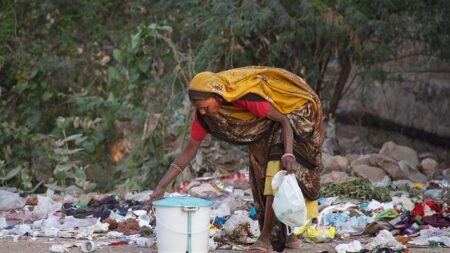
The consequences of war in the Middle East extend far beyond its immediate geography, reverberating through the African continent as conflict displaces populations and exacerbates existing vulnerabilities. Countries such as Sudan, Ethiopia, and Egypt have faced an influx of refugees fleeing violence, disrupting local economies and straining public services. The significant increase in displaced individuals has led to a surge in humanitarian needs, including shelter, food, and healthcare, while also complicating the political landscape within these nations. Local governments are often ill-equipped to manage such crises, which can lead to social tensions and potential conflicts over resources.
Moreover, war-induced displacement has triggered profound economic ramifications across Africa. Host nations frequently experience increased competition for jobs, with displaced persons often accepting lower wages, which can depress the wage market. Additionally, the cost of living tends to rise as demand for basic goods and services outpaces supply. Key consequences include:
- Increased poverty rates as families struggle to make ends meet.
- Worsening public health conditions due to overcrowding and limited access to medical care.
- Educational disruptions for children, limiting their future opportunities.
Strengthening Alliances: Recommendations for African Countries in the Face of Regional Instability
In the context of increasing regional instability, African nations must focus on strengthening their alliances to mitigate potential fallout from conflicts like those in the Middle East. Multilateral cooperation should be prioritized, allowing countries to share information, resources, and best practices in crisis management. This can be achieved through platforms such as the African Union, which provides a framework for diplomatic engagement and response to regional threats. Furthermore, fostering strong ties with global powers will enhance resource availability and strategic support, crucial for development in times of turmoil.
Importantly, nations should also emphasize economic collaboration to build resilience against external shocks. Key steps include:
- Enhancing intra-African trade agreements to reduce dependency on unstable regions.
- Investing in diversified industries and sustainable practices to create economic buffers.
- Strengthening joint security initiatives aimed at countering terrorism and organized crime.
By fortifying these alliances and focusing on collaborative efforts, African countries can not only withstand the ripple effects of conflicts elsewhere but also progress towards collective stability and prosperity.
Future Outlook
In conclusion, the repercussions of the ongoing conflicts in the Middle East extend far beyond the borders of war-torn countries, resonating deeply within African nations. As political instability disrupts regional trade, fuels refugee crises, and catalyzes extremist ideologies, the effects ripple across the continent, often exacerbating existing economic and social challenges. Understanding these interconnected dynamics is crucial for policymakers and humanitarian organizations alike, as they seek to devise effective strategies for mitigation and support. As the situation in the Middle East continues to evolve, the global community must remain vigilant in addressing not only the immediate consequences of these conflicts but also their far-reaching implications for Africa and beyond.