
In the Central African Republic (CAR), a devastating eruption of violence has claimed the lives of at least 14 individuals in a tragic conflict between herders and farmers. This latest incident underscores the ongoing tensions in a region plagued by competition over land and resources. As communities grapple with the ramifications of this conflict, the precarious balance between agricultural livelihoods and pastoral practices continues to be tested. Reports indicate that clashes erupted in the northwest area of the country, exacerbating an already volatile situation that has seen similar confrontations in the past. As local authorities and humanitarian organizations strive to address the fallout, the need for sustainable solutions to these deep-rooted disputes has never been more urgent.

Escalating Violence: An Overview of Herders and Farmers Conflict in Central African Republic
The ongoing conflict between herders and farmers in the Central African Republic has seen a tragic uptick in violence, exemplified by the recent incident that claimed 14 lives. This escalating unrest primarily stems from competition over natural resources, especially land and water, which are vital for both pastoral and agricultural communities. As climate change intensifies droughts and alters seasonal weather patterns, the struggle for these resources becomes increasingly fierce. Key contributing factors to this conflict include:
- Resource scarcity: Diminishing grazing areas and fertile land.
- Cultural Tensions: Deep-rooted historical grievances between groups.
- lack of Effective governance: Weak state mechanisms to mediate disputes.
- Militia Involvement: the presence of armed groups exacerbating tensions.
The consequences of this violence not only lead to loss of life but also displace communities and disrupt local economies. Recent reports indicate that the cycle of retribution and retaliatory attacks has proliferated, making reconciliation increasingly challenging. An overview of the situation reveals alarming statistics:
| Year | Reported Incidents | Casualties |
|---|---|---|
| 2021 | 45 | 100+ |
| 2022 | 60 | 150+ |
| 2023 | 80 | 200+ |
Without immediate interventions from both local leaders and international bodies to address these underlying issues, the cycle of violence is likely to spiral further out of control, affecting the lives of thousands in this already fragile region.
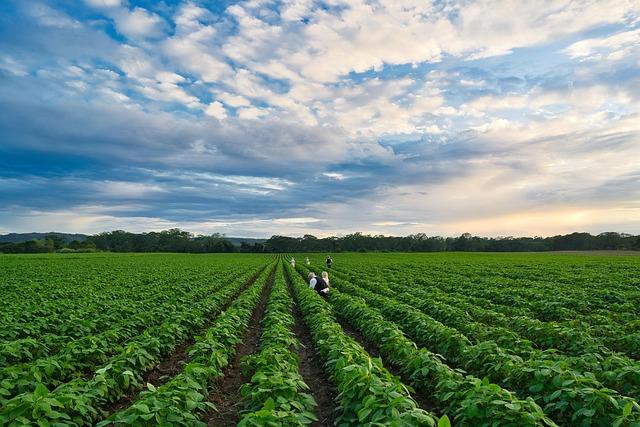
Impact on Communities: The Human Cost of the Ongoing Violence
The ongoing violence in the central African Republic has profoundly impacted local communities, exacerbating an already dire humanitarian crisis. Families are torn apart as clashes between herders and farmers escalate, leaving a trail of devastation in their wake. Witnesses recount harrowing tales of violence that engulf villages, forcing thousands to flee their homes. This cycle of conflict not only devastates physical infrastructure but also undermines the very fabric of society, disrupting education, healthcare, and economic activities that are vital for survival. The stress and trauma felt by residents are incalculable, as many live in constant fear of future attacks.
The economic stability of these communities is also gravely affected, leading to increased poverty and food insecurity. With the ongoing clashes, traditional farming and herding practices are severely compromised, resulting in unprecedented levels of displacement. Below is a snapshot of the underlying effects on local populations:
| Impact Area | Consequence |
|---|---|
| Displacement | Over 100,000 people forced from their homes |
| Food Security | Food shortages increased by 30% |
| Healthcare | Closure of 15 healthcare facilities |
| Education | School attendance rate drops to 40% |
As the crisis continues to unfold, protections for civilians are becoming increasingly urgent. humanitarian organizations face important challenges in providing aid amidst ongoing violence. As communities grapple with the aftermath of these conflicts, they require not only immediate relief but also long-term strategies for peace and reconciliation to heal the wounds inflicted by these tragic confrontations.

Underlying Causes: Analyzing Factors Fuelling Tensions Between Herders and Farmers
The ongoing conflict between herders and farmers in the Central African Republic can be traced to a complex interplay of socio-economic and environmental factors.Land competition has intensified as both communities struggle for limited resources in a region plagued by climate change, leading to drastic alterations in traditional grazing patterns and agricultural practices. The encroachment of agricultural land into pastoral territories exacerbates misunderstandings, resulting in increased hostilities. Furthermore, the lack of effective governance and law enforcement in rural areas has fostered an environment where disputes can escalate into violence with minimal consequences for the perpetrators.
Another significant factor that fuels the discord is the socio-cultural dynamics between the two groups.Herding communities, often from diffrent ethnic backgrounds, may feel marginalized by the more sedentary farming populations, leading to deep-rooted grievances. Additionally, historical animosities and competition for political power can further complicate relationships. The disparity in wealth and access to resources creates an underlying resentment, making collaborative efforts for resource management increasingly challenging. To gain a clearer perspective on the situation, the following table outlines the major contributors to the tensions:
| Factor | Description |
|---|---|
| Land Competition | Struggle for limited resources due to climate change affecting grazing and farming areas. |
| Effective Governance | Lack of enforcement leads to increased violence and unaddressed grievances. |
| Socio-Cultural Dynamics | Ethnic tensions and historical animosities create distrust between groups. |
| Resource Disparity | Wealth inequalities contribute to resentment and conflict escalation. |

National Response: Government Actions and International Support Needs
The ongoing conflict between herders and farmers in the Central African Republic has prompted urgent action from the government in a bid to restore order and prevent further loss of life. In response to the recent violence that claimed the lives of 14 individuals, including women and children, the authorities have deployed security forces to the affected regions. The Minister of Defense has voiced strong condemnation of the violence and announced a series of measures designed to address the root causes of the conflict, including:
- Enhancing military presence in hotspot areas.
- Establishing community dialogue forums to mediate between conflicting groups.
- Implementing sustainable agricultural practices to mitigate resource-based tensions.
Moreover, the international community has a crucial role to play in supporting peacekeeping efforts and humanitarian assistance. Various NGOs and international organizations are being called upon to amplify their efforts in the region.Key support needs include:
- medical supplies for treating the injured.
- Food aid for displaced populations.
- Training programs for conflict resolution among community leaders.
- Funding for the reinforcement of local governance structures.
| Action Required | Responsible Entity | Estimated Timeline |
|---|---|---|
| deploy additional peacekeepers | UN and African Union | 3 months |
| Implement agricultural training | Local NGOs | 6 months |
| Distribute food and medical supplies | international Red Cross | Immediate |

Path to Peace: Recommendations for Conflict Resolution and Sustainable Solutions
To cultivate a lasting peace in regions plagued by conflict such as the Central African Republic, a multifaceted approach is necessary. Stakeholders must prioritize community dialogue to foster understanding between herders and farmers, acknowledging their cultural differences and economic interdependence.In addition to facilitating open interaction, establishing joint resource management agreements can mitigate tensions. By creating designated grazing zones and ensuring equitable access to water resources, both communities can coexist sustainably. Furthermore, local governments should enhance the effectiveness of dispute resolution mechanisms by training community leaders in negotiation skills and conflict mediation.
International organizations and NGOs also play a vital role in supporting these initiatives. They can provide essential resources and expertise for holistic agricultural development programs that equip farmers with improved techniques and technologies. This would not only increase agricultural productivity but also reduce competition for land and resources.Collaboratively, efforts should include:
- Education and awareness campaigns to promote peaceful coexistence.
- Support for community-led peace initiatives that engage local leaders and influencers.
- Investment in alternative livelihood programs for both farmers and herders to reduce dependency on limited resources.

Future Prospects: Addressing Land Management and Resource Sharing Issues
The recent conflict in the Central African Republic underscores a pressing need for complete approaches to land management and resource sharing. As competition for land and resources intensifies, particularly in regions where agricultural and pastoral interests collide, it is vital to adopt integrated strategies that prioritize coexistence. Effective conflict resolution mechanisms can be fostered through initiatives that aim to build trust amongst communities, such as joint resource management, community dialogue forums, and collaborative land-use planning. These initiatives would not only address immediate tensions but also lay the groundwork for sustainable practices that are sensitive to both agricultural and pastoral needs.
To support these endeavors, the government and various stakeholders must invest in educational programs that promote sustainable land use and climate-smart agricultural practices. By empowering farmers and herders with knowledge and resources, the potential for conflict can be diminished significantly. Furthermore, implementing land tenure reforms could clarify ownership issues and promote equitable access to resources. below is a table that highlights potential measures to address the underlying issues of conflict:
| Measure | Description |
|---|---|
| Educational Workshops | Training for farmers and herders on sustainable practices. |
| Community Dialogues | Facilitated discussions to foster understanding and collaboration. |
| Land Tenure Reforms | Clarification of land rights to prevent disputes. |
| Resource Sharing Agreements | Creating formal arrangements for equitable resource use. |

To Wrap It Up
The ongoing conflict between herders and farmers in the Central African Republic continues to alarm observers and humanitarian organizations alike, as evidenced by the recent tragic loss of 14 lives. Rooted in deep-seated issues such as competition for land and resources, religious affiliations, and political instability, this violence serves as a stark reminder of the fragile balance within the nation’s social fabric. As the international community looks towards potential solutions, it is crucial to address the underlying causes of such conflicts to foster lasting peace and resilience in the region. The situation remains fluid, and continued monitoring will be essential to inform effective interventions aimed at preventing further loss of life and promoting stability in the Central African Republic.