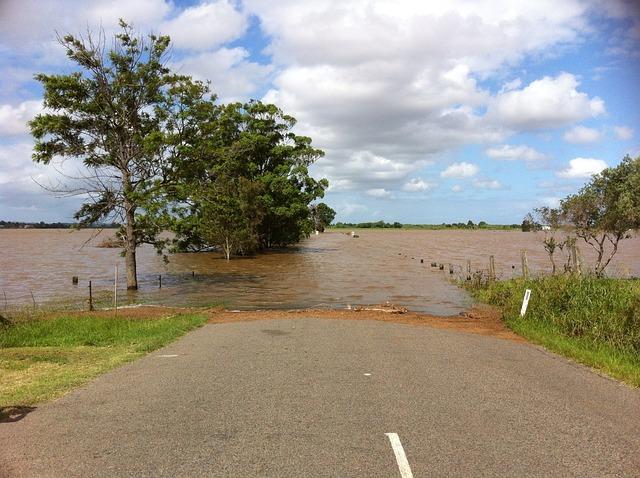
severe flooding across West and Central Africa has left millions grappling with the devastating aftermath of natural disasters that have significantly disrupted lives and livelihoods.According to UNICEF, approximately 4 million people—many of whom are vulnerable children and their families—are currently affected by the extensive deluge that has inundated communities and exacerbated existing humanitarian crises. In response to this urgent situation, UNICEF is mobilizing resources and implementing critical interventions aimed at alleviating the suffering of those impacted. This article explores the extent of the flooding’s impact, the challenges faced by affected populations, and the crucial role UNICEF plays in delivering aid and support in this time of crisis. As the region confronts this emergency, the need for collective action and international solidarity becomes increasingly pressing.

UNICEF’s Emergency Response Strategies to Severe Flooding in West and Central Africa
In response to the devastating flooding across west and Central Africa, UNICEF has mobilized its resources to provide immediate assistance to the approximately 4 million people affected. The organization is prioritizing child protection and health as essential components of its emergency strategy. Key activities include:
- Establishing temporary shelters for families displaced by the floods.
- Providing water, sanitation, and hygiene (WASH) services to prevent disease outbreaks.
- Distributing emergency nutrition supplies to combat malnutrition, particularly among children.
- Delivering psychosocial support for children and families who have undergone trauma.
UNICEF’s emergency response teams are working closely with local governments and partners to ensure a coordinated approach to recovery. In addition to immediate relief efforts, UNICEF is also focused on long-term resilience by implementing programs that educate communities on disaster preparedness and climate adaptation strategies. Key initiatives include:
| Initiative | Objective |
|---|---|
| Community Education Programs | Raise awareness about flood risks and response strategies. |
| Infrastructure Development | Build resilient infrastructure for better disaster response. |

Impact of Flooding on Communities: Displacement and Humanitarian Needs
The devastating flooding in West and Central Africa has forced millions from their homes, leading to unprecedented humanitarian challenges. Families are not onyl losing their properties but also their sense of security and community. Many children are particularly vulnerable as they are separated from their families or unable to access educational resources. as we delve deeper into the impact, several key factors emerge:
- Displacement: Thousands of households are uprooted, seeking refuge in makeshift shelters that frequently enough lack basic necessities.
- health Risks: The stagnation of floodwaters poses notable health hazards, increasing the risk of waterborne diseases.
- Food Insecurity: Flooding has disrupted agricultural activities, leading to heightened food shortages and malnutrition.
In responding to these urgent needs, organizations like UNICEF are mobilizing resources to provide immediate relief. The demands are extensive, and addressing them requires a multifaceted approach:
| Need | Response | Impact |
|---|---|---|
| Access to Clean Water | Distribution of water purification tablets and mobile water supply | Reduction in disease transmission and improved health |
| Food Assistance | Provision of nutritious food packs | Combats malnutrition among vulnerable populations |
| Psychosocial Support | Counseling and safe spaces for children and families | Rebuilding community structure and healing |

Health Risks and Disease Outbreaks: UNICEF’s Role in Protecting children and Families
Severe flooding in West and Central Africa poses immediate and long-term health risks to vulnerable populations, particularly children. With over 4 million people affected, the potential for disease outbreaks increases significantly in the aftermath of such disasters. Standing water creates ideal conditions for the spread of waterborne diseases, including cholera and malaria, which can devastate communities already struggling with limited access to healthcare. UNICEF is mobilizing resources to address these urgent health concerns by implementing preventive measures and providing essential medical supplies.
In collaboration with local authorities and NGOs, UNICEF aims to establish treatment centers and facilitate vaccination campaigns to mitigate health risks. Their initiatives focus on:
- Rapid health assessments to identify disease outbreaks early
- Distribution of clean water and sanitation supplies to reduce waterborne illnesses
- Nutritional support for children suffering from malnutrition due to food scarcity
Furthermore, UNICEF emphasizes the importance of community engagement in building resilience against future health challenges. The organization ensures that families have access to reliable health data, empowering them to take proactive steps in safeguarding their health during and after such crises.
Water, Sanitation, and Hygiene: Addressing Urgent Needs Amidst the Crisis
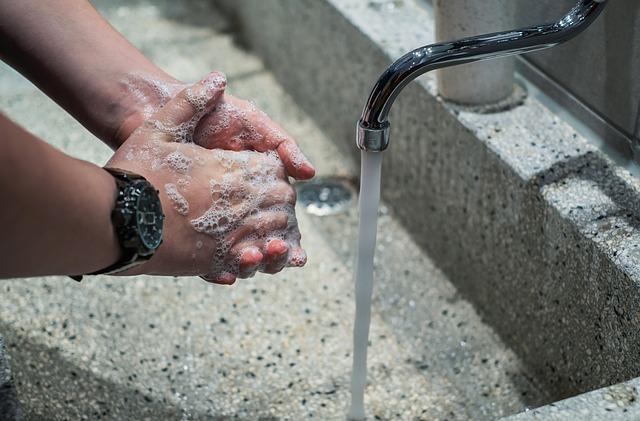
as severe flooding engulfs West and Central Africa, the impact on vulnerable communities is staggering. Over 4 million people are grappling with the immediate aftermath,facing dire challenges in accessing safe water,adequate sanitation,and proper hygiene facilities. UNICEF’s response is critical in addressing these urgent needs, with efforts focused on delivering emergency supplies, including:
- Water purification tablets to ensure access to clean drinking water.
- Portable latrines to mitigate sanitation-related health risks.
- Hygiene kits containing soap, menstrual hygiene products, and other essentials.
In collaboration with local communities, UNICEF is also implementing educational programs to promote hygiene practices that can thwart the spread of waterborne diseases. The urgency of the situation cannot be overstated, as contaminated water can pose significant risks, particularly for children and families already weakened by previous crises. To illustrate the broader impact of this humanitarian challenge, the following table highlights the key areas affected:
| Region | Population Affected | Key Needs |
|---|---|---|
| North Central Nigeria | 1.5 million | Safe water, sanitation |
| Democratic Republic of Congo | 2 million | Hygiene kits, latrines |
| Côte d’Ivoire | 500,000 | Water purification |

Recommendations for Long-Term Resilience Building in Flood-Prone Regions
To foster resilience in areas susceptible to flooding, it is crucial to implement a multifaceted approach that encompasses infrastructural, environmental, and community-based strategies. Investment in green infrastructure can play a significant role in absorbing excess rainwater,minimizing runoff,and reducing the frequency of floods. examples include:
- constructing wetlands to act as natural sponges
- Reforestation to improve soil integrity and water retention
- Building barriers and levees with natural materials
Alongside these infrastructural adaptations,empowering local communities through education and preparedness programs is essential. Such initiatives should focus on enhancing community awareness and resilience by:
- Developing early warning systems to provide timely alerts about impending floods
- Training local volunteers for disaster response and recovery efforts
- Incorporating conventional knowledge in modern disaster risk management practices
Furthermore, forming partnerships among governments, NGOs, and private entities can strengthen the implementation of these strategies while ensuring that assistance reaches those most in need.

Partnerships and Collaborations: Mobilizing Support for Affected Populations
The devastation caused by severe flooding in West and Central Africa has prompted a coordinated response from UNICEF, in collaboration with various international and local partners. These partnerships play a crucial role in mobilizing resources and support for the 4 million people affected, especially vulnerable children and families. The collective efforts focus on providing not just immediate relief, but also long-term solutions to build resilience against future disasters.Together, we are working to ensure that essential services like health care, safe drinking water, and sanitation are restored and maintained in the hardest-hit communities.
Through various collaborations, UNICEF and its partners aim to tackle the multifaceted challenges arising from the flooding.This includes:
- Emergency response teams deployed to assess needs and distribute supplies efficiently.
- Educational initiatives to ensure that children continue learning in safe environments.
- Health interventions for preventing disease outbreaks in the aftermath of floods.
- Community engagement to empower locals in disaster response and recovery planning.
Additionally, a coordinated relief effort is underway, encapsulated in the following summary of critical actions:
| Action | Objective | Status |
|---|---|---|
| Water and Sanitation Facility Installation | Provide safe drinking water to flood-affected areas | Ongoing |
| Psychosocial Support Programs | Address mental health needs of children | In progress |
| Food Distribution | Ensure food security for affected populations | Completed |
| Shelter Reconstruction | Restore homes and provide safe living conditions | Upcoming |
The Way Forward
As UNICEF intensifies its response to the severe flooding that has devastated communities in West and Central Africa, the scale of the humanitarian crisis continues to unfold.With nearly 4 million people affected,including countless vulnerable children,the need for immediate and sustained support is critical. UNICEF’s efforts highlight not only the urgent provision of life-saving assistance but also the importance of long-term recovery strategies to rebuild these affected communities. As climate change exacerbates the frequency and severity of such natural disasters, a coordinated global response will be essential in safeguarding the futures of those impacted. It is imperative that we remain vigilant and engaged, supporting organizations like UNICEF in their mission to protect the most vulnerable during these challenging times. The road to recovery will be long, but with collective action, resilience can emerge from the ravages of disaster.