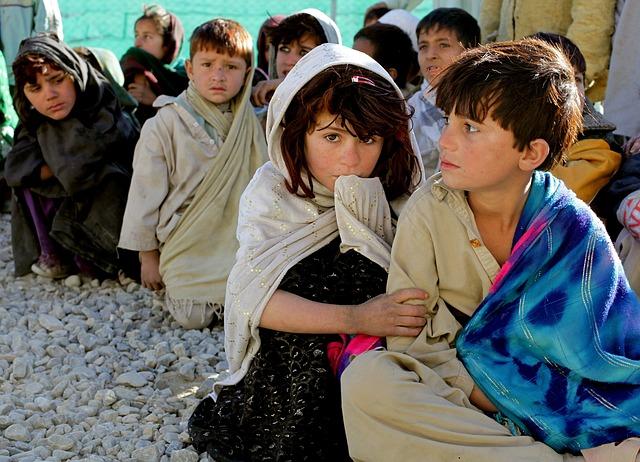
In an era where human rights violations continue to demand international attention, the Global Center for the Responsibility to Protect (GCR2P) has issued its latest Atrocity Alert, No. 171. This comprehensive report casts a critical eye on alarming developments in Afghanistan, South Africa, and Burundi, countries grappling with complex challenges that threaten the well-being of their populations.As violence escalates in Afghanistan amid ongoing political instability, South Africa confronts a rise in xenophobic attacks and societal unrest, while Burundi remains haunted by its turbulent past and persistent human rights abuses. This article delves into the specific crises outlined in the alert,exploring the underlying factors contributing to these atrocities and the urgent need for a collective global response to protect vulnerable communities in these regions.
Global Overview of Human Rights Violations in Afghanistan, South Africa, and Burundi


The ongoing human rights situation in Afghanistan remains precarious, notably as the Taliban’s return to power in 2021. The group has implemented policies that severely restrict individual freedoms, with a notable focus on diminishing the rights of women and girls. Reports highlight widespread abuses, including:
- Suppression of women’s rights: Women are barred from education and most employment, severely limiting their participation in public life.
- Targeted violence: Human rights defenders and journalists face threats and violence, leading to self-censorship and a climate of fear.
- Extrajudicial actions: Reports indicate arbitrary arrests and torture of political opponents and minorities.
Meanwhile, in South Africa and Burundi, systemic human rights violations also continue to plague these nations. In South Africa, deep-rooted issues such as rampant crime and gender-based violence exacerbate the already tense social conditions, often leaving vulnerable populations without adequate protection. The rise in xenophobic attacks against migrants further complicates the landscape. Conversely,Burundi remains entrenched in authoritarianism under president Évariste Ndayishimiye,where dissent is met with violent repression. Key facets of the situation include:
- Crackdowns on dissent: Political opposition faces intimidation, harassment, and imprisonment for expressing dissent.
- Freedom of expression: Journalists operate in fear, with many facing threats, censorship, and violence for reporting critically on the government.
- Repression of minority groups: Ethnic tensions and government persecution target various communities, exacerbating social divisions.
Emerging Threats to Civilian Safety in Conflict Zones

As conflicts escalate in various regions, the threat to civilian safety has become increasingly pronounced. In Afghanistan, the rise of militant groups continues to endanger women and children, exacerbating vulnerabilities in already fragile communities. In South Africa, gang violence contributes to widespread insecurity, with civilians often caught in the crossfire. Reports indicate a disturbing trend towards targeted attacks on humanitarian workers, disrupting aid efforts and leaving countless families without essential support amid escalating hostilities.
Meanwhile, Burundi faces persistent instability as political tensions flare, leading to systematic human rights violations. The government’s crackdown on dissent has placed activists and ordinary citizens at notable risk. Key factors contributing to these atrocities include:
- Weak governance that fails to protect its citizens
- Increased militarization of conflicts,with civilians bearing the brunt
- Return of extremist ideologies that promote violence against specific groups
Understanding these emerging threats is essential for the international community to act decisively and uphold the responsibility to protect those most at risk.
The Role of international Accountability in Preventing Atrocities

International accountability serves as a pivotal mechanism in the prevention of atrocities by establishing norms and frameworks that compel nations to uphold human rights standards. Through various international treaties and conventions, the global community creates a collective responsibility to safeguard those at risk from violence and oppression. Key instruments include the International Criminal Court (ICC) and regional human rights systems that not only facilitate the prosecution of offenders but also reinforce the message that impunity will not be tolerated. When states are held accountable, it empowers victims and communities to stand against atrocities, creating a ripple effect that encourages others to follow suit.
The effectiveness of these accountability mechanisms is frequently enough contingent on the political will of states and international bodies to prioritize human rights over strategic interests. In contexts such as Afghanistan, South Africa, and Burundi, the willingness of the international community to intervene or apply pressure can substantially influence outcomes. Stakeholders must focus on:
- Enhancing cooperation between national governments and international organizations.
- Implementing robust monitoring systems to detect early signs of potential atrocities.
- Facilitating open dialog and capacity-building initiatives in affected regions.
Establishing a culture of accountability requires vigilance, collaboration, and commitment from all nations to ensure that atrocities do not go unpunished.
Strengthening Local Governance to Uphold Human Rights
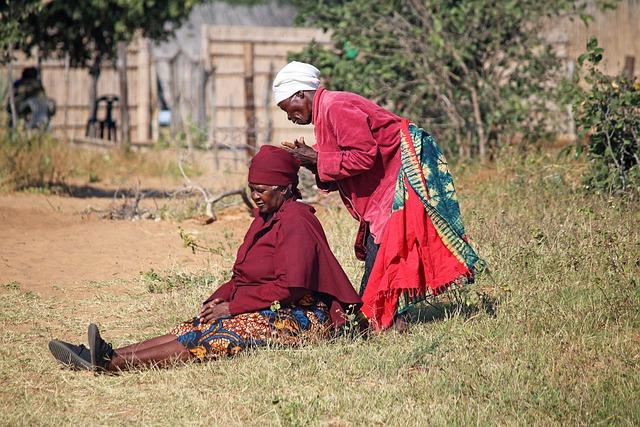
Local governance plays a crucial role in the protection and promotion of human rights, particularly in conflict-affected regions such as Afghanistan, South Africa, and Burundi. By empowering local leaders and communities, governments can foster an inclusive political habitat that facilitates accountability and justice.Decentralizing power allows for tailored responses to human rights violations, as local authorities possess better insight into community needs and dynamics. Moreover, establishing robust mechanisms for citizen participation can enable the voices of marginalized groups to be heard, strengthening societal cohesion and the rule of law.
To effectively bolster local governance in the pursuit of human rights,the following strategies can be implemented:
- Training and capacity building: Equipping local officials with the necessary skills to uphold human rights standards.
- Community engagement: Facilitating dialogues between citizens and local leaders to encourage transparency and accountability.
- Resource allocation: Ensuring adequate funding and resources for local governance structures to function effectively.
- Partnerships: Collaborating with civil society organizations to strengthen advocacy efforts.
Moreover, the importance of monitoring human rights practices at the local level cannot be overstated. Implementing transparent reporting systems and establishing oversight committees can definitely help identify human rights abuses early on. Consider the following table that highlights key responsibilities of local governance in sustaining human rights:
| Responsibility | Description |
|---|---|
| Legislation | Enact local laws that align with international human rights standards. |
| Protection | Ensure safety and security for all community members, particularly vulnerable groups. |
| Enforcement | Implement measures to address and respond to human rights violations. |
| Education | Promote awareness of human rights through community programs and workshops. |
Call to Action for Global Leaders: A Collective Responsibility

As the world witnesses the unfolding crises in afghanistan, South Africa, and Burundi, it is imperative that global leaders recognize their collective responsibility to act decisively. Addressing these atrocities requires an unwavering commitment to uphold human dignity and protect vulnerable populations from violence and persecution. by prioritizing collaborative diplomacy and strengthening international norms, countries must not only condemn these acts but also engage in proactive measures. Notably, leaders should:
- Enhance diplomatic engagements with affected nations to promote dialogue and reconciliation.
- Mobilize humanitarian assistance to support displaced individuals and communities.
- Strengthen accountability mechanisms for perpetrators of violence through international courts and tribunals.
Moreover, it is vital that the international community unites to create a robust framework for ongoing support and collaboration. This includes the establishment of multi-national task forces to oversee relief efforts and secure a enduring peace in affected regions. To effectively measure progress and ensure transparency, a comprehensive feedback system should be implemented, allowing stakeholders to evaluate outcomes and strategies. Below is a suggested framework for action:
| focus Area | Action Item | Expected Outcome |
|---|---|---|
| Diplomacy | Initiate peace talks | Mitigation of conflict |
| Humanitarian Aid | Distribute relief supplies | Alleviation of suffering |
| Accountability | Investigate human rights violations | Justice for victims |
Empowering Local Communities for Sustainable Peace Initiatives

Creating a foundation for sustainable peace in regions affected by conflict often begins at the grassroots level, where local communities become integral to the healing and reconciliation processes. In places like Afghanistan,South Africa,and Burundi,the importance of empowering local actors cannot be overstated. These communities possess invaluable knowledge of their own cultural contexts and social dynamics, making them essential partners in peacebuilding efforts. By equipping local leaders and citizens with the tools thay need to engage in dialogue and promote understanding, initiatives can be tailored to address specific grievances and foster greater societal cohesion. Investment in education, economic opportunities, and community programs focused on inclusivity can create a more stable environment conducive to peace.
Moreover, international organizations and governments must recognize the significance of facilitating platforms that amplify local voices. This can be achieved through various methods:
- Community workshops that raise awareness about conflict resolution and human rights.
- Collaboration with local ngos to ensure that initiatives reflect the true needs of communities.
- Funding for local projects that aim at rebuilding trust and fostering cooperation among diverse groups.
Building sustainable peace is not just about conflict avoidance but creating frameworks where different segments of society can thrive together. As these grassroots efforts take root, they contribute to a comprehensive approach that sees local communities not just as beneficiaries, but as active architects of their future.
Concluding Remarks
Atrocity Alert No.171 serves as a crucial reminder of the ongoing challenges facing vulnerable populations in Afghanistan, South Africa, and Burundi.The report highlights the urgent need for international attention and action to address the systematic violations of human rights and the potential for further atrocities in these regions. As the Global Centre for the Responsibility to Protect emphasizes, the responsibility to protect civilians from mass atrocities lies not only with national governments but also with the international community. It is imperative that global stakeholders intensify their efforts to support democratic governance, promote accountability, and safeguard human rights. By remaining vigilant and proactive, we can work together to prevent these grim forecasts from materializing and uphold our shared commitment to protecting those who are most at risk.