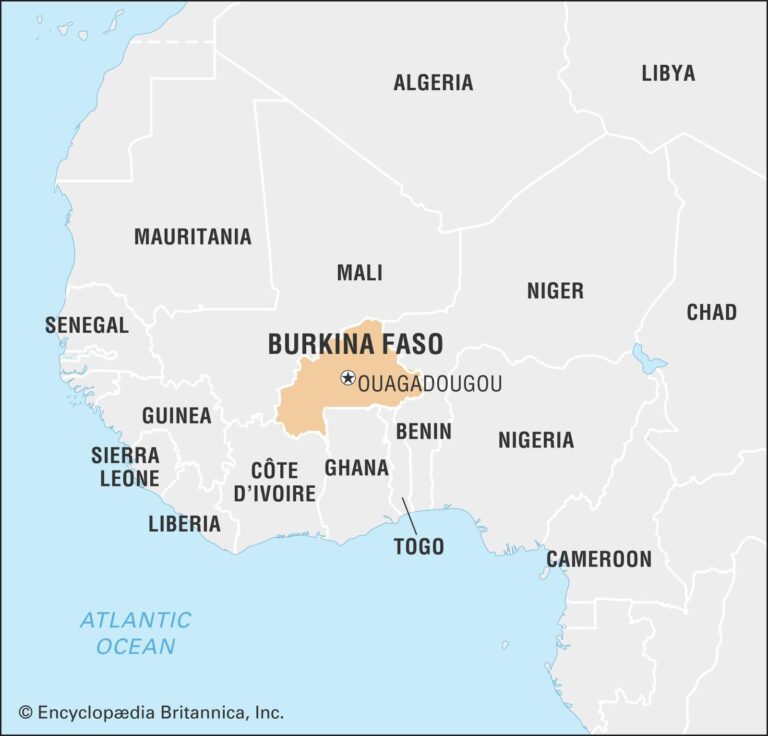
burkina Faso’s Bold Move Towards Demographic Dividend Financing in 2025 Budget
In a significant stride towards lasting progress,Burkina Faso has announced its commitment to incorporating a budget sensitive to the demographic dividend approach in its fiscal planning for 2025. This initiative, backed by the United Nations Economic Commission for Africa (UNECA), aims to harness the potential of the country’s youthful population as a catalyst for economic growth and social transformation. As Burkina Faso faces a demographic shift with an increasingly young populace, the government is strategically repositioning its budgetary framework to address the needs and aspirations of this demographic cohort. By investing in education, health, and job creation, the initiative seeks to unlock the economic potential of youth, ultimately fostering resilience and sustainable development in a region characterized by economic vulnerabilities. This article delves into the implications of Burkina Faso’s commitment and the broader context of demographic dividend strategies across Africa.
Burkina Faso’s Vision for a Demographic Dividend in the 2025 Budget

In a significant move towards harnessing the potential of its youthful population,Burkina Faso is prioritizing the integration of demographic dividend strategies into its fiscal planning for 2025. The government aims to create a budget that not only addresses immediate economic needs but also focuses on long-term sustainability by investing in key sectors that facilitate youth engagement and empowerment. This approach involves a holistic view of resource allocation that considers the growing youth demographic as a critical asset,rather than merely a challenge. Central to this strategy are initiatives surrounding education, health, employment, and social services, wich are vital for nurturing the capabilities of the younger generation.
The envisaged budget will allocate resources to various projects designed to optimize workforce participation and productivity among the youth. Key areas highlighted for investment include:
- Education and Skills Development: Enhancing quality education and vocational training programs to equip young peopel with relevant skills.
- Health Services: improving health care access and services for young populations to ensure a healthy workforce.
- Entrepreneurship and Job Creation: Supporting small and medium enterprises to stimulate job growth and economic resilience.
- Social Protection: Establishing safety nets to support vulnerable young people during economic transitions.
This commitment is designed to yield a robust return on investment through increased economic activity,improved living standards,and stabilization of the social fabric. A balanced approach to budgetary allocation will enable Burkina Faso not only to take advantage of its demographic potential but also to serve as a model for other nations facing similar demographic trends.
Understanding the Demographic Dividend and Its Implications for Burkina Faso
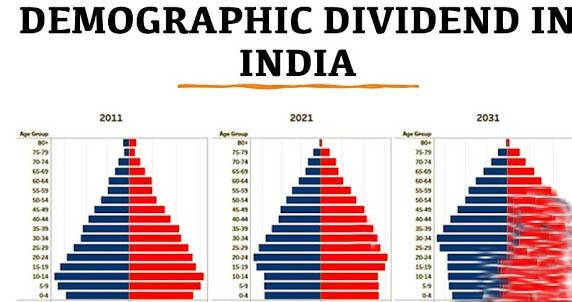
burkina Faso stands at a pivotal moment as it seeks to harness the potential of its youthful population through a strategic framework centered on the demographic dividend. This approach focuses on the productive capabilities of the country’s young demographic, aiming to transform potential into tangible economic benefits. By prioritizing investments in education, healthcare, and employment, Burkina Faso can capitalize on this demographic advantage, ultimately leading to sustained growth and development. The government is dedicated to creating policies that not only improve the living standards of its citizens but also stimulate economic productivity, making the moast of its demographic assets.
To facilitate this transformative agenda,the commitment to integrate a demographic dividend-sensitive approach into the budgeting process for 2025 is essential. This strategy involves reallocating resources and prioritizing sectors that directly impact the youth population. Key areas for investment might include:
- Education and Skills Development: Enhancing educational infrastructure and vocational training programs.
- Healthcare Initiatives: Expanding access to reproductive health services and maternal health care.
- Job Creation: Supporting entrepreneurship and small businesses to generate employment opportunities.
By aligning its budgetary allocations with these priorities, Burkina Faso aims to unlock the full potential of its youth, fostering a robust economy that can sustain its future. the implementation of this sensitive budgeting approach not only signifies a milestone in national policy but also sets a precedent for other nations striving to attain similar developmental goals amidst demographic shifts.
Integrating Gender Perspectives in Budget Formulation for Sustainable Growth
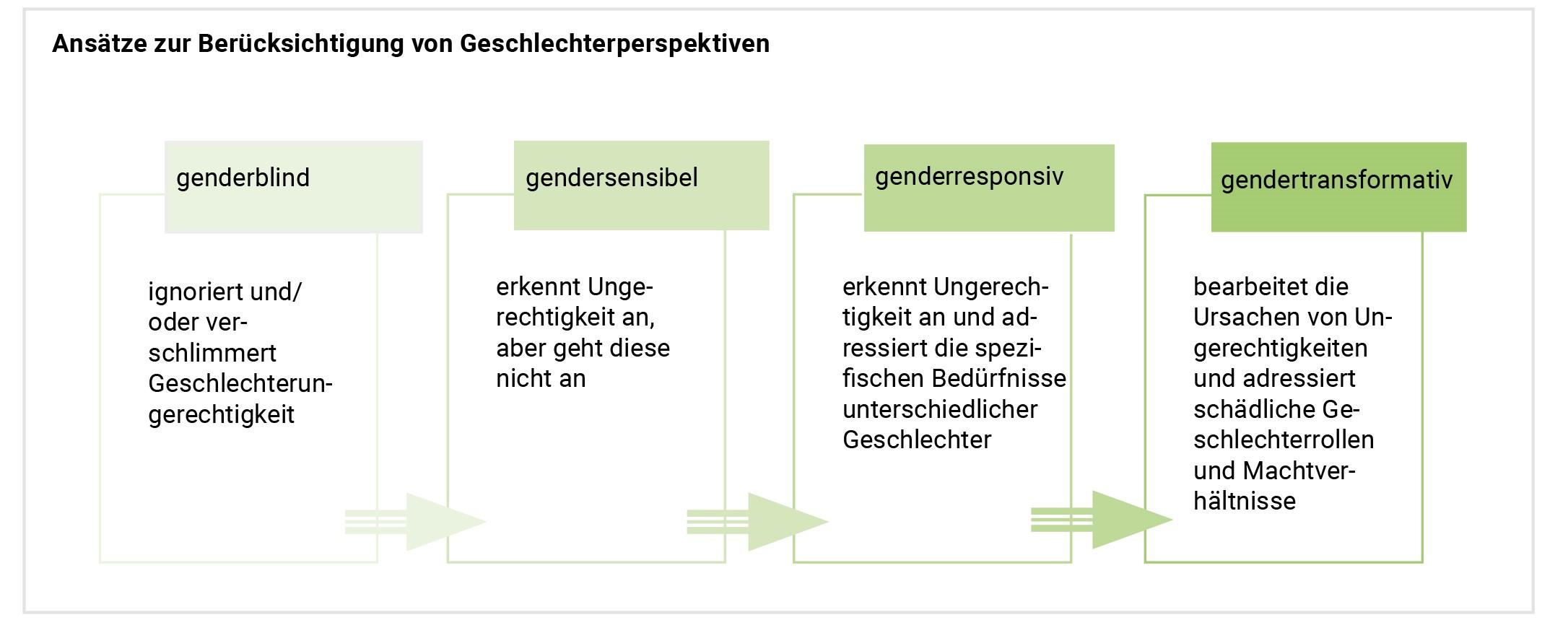
Burkina Faso is taking significant strides towards integrating gender perspectives in its budget formulation processes, especially through the ambitious goal of including a demographic dividend approach in its 2025 budget. This approach aims to harness the potential economic benefits of a youthful population by ensuring that budget allocations prioritize education, health, and employment opportunities that are gender-sensitive. By doing so, the government is not only recognizing the unique challenges faced by women and girls but also aiming to maximize economic growth and sustainability for all its citizens.
Key strategies that are likely to underpin this transformative approach include:
- Gender-responsive budgeting: Aligning fiscal policies with the needs of both men and women.
- Stakeholder engagement: Involving women’s organizations and community groups in the budget formulation process.
- Data disaggregation: Collecting and analyzing data by gender to inform equitable resource allocation.
- Capacity building: Training public officials on gender-sensitive planning and budgeting techniques.
By aligning budget priorities with gender perspectives,Burkina Faso aims to lay a foundational framework for equitable growth. The implementation of these strategies will not only enhance the country’s economic landscape but also ensure that all citizens benefit from sustainable development initiatives.
| Focus Areas | Expected Outcomes |
|---|---|
| Education | Improved literacy rates among girls. |
| Health | Enhanced reproductive health services. |
| Employment | Increased job opportunities for women. |
Strategic Investments in Education and Health to Harness Youth Potential

Recognizing the pivotal role of the youth in shaping the country’s future, Burkina Faso is taking decisive steps to enhance its educational and healthcare sectors. By aligning investments in these critical areas with the needs of a growing youth population, the government aims to unleash the potential of its younger citizens. Strategic initiatives include:
- Improving Access to Quality Education: expansion of schools in underserved regions and an emphasis on vocational training tailored to market demands.
- Strengthening healthcare Services: Increased funding for maternal and child health programs,as well as mental health initiatives,to ensure a healthier youth population.
- Promoting Technology in Learning: Incorporating digital tools and resources in classrooms to engage students and enhance educational outcomes.
- Fostering Public-Private Partnerships: collaborating with NGOs and the private sector to expand resource availability and expertise in both education and health sectors.
To effectively implement this vision, Burkina Faso is also adopting a demographic dividend approach that informs fiscal policies and budget allocation. This entails a comprehensive analysis of demographic trends and their implications for national development, allowing for a strategic focus on youth-centric initiatives. Key budget considerations include:
| investment Area | Projected funding (2025) |
|---|---|
| Education | $120 million |
| Healthcare | $80 million |
| Vocational Training | $40 million |
| Digital Infrastructure | $30 million |
By prioritizing these sectors, the aim is to cultivate an surroundings conducive to youth empowerment and socio-economic development, ensuring that young individuals are equipped with the necessary skills and health to drive a sustainable future for Burkina Faso.
Collaborative Efforts with the United Nations Economic Commission for Africa
Burkina Faso has embarked on a decisive journey to enhance its national budgeting processes by integrating a demographic dividend approach in line with the objectives set forth by the United Nations Economic Commission for africa (UNECA). This initiative aims to empower the nation to make informed and strategic budgetary decisions that reflect the needs and potentials of its youthful population. by prioritizing investments in education, health, and employment, Burkina Faso is positioning itself to harness the economic opportunities presented by its demographic trends. The collaborative framework established with UNECA provides essential methodologies and tools that will be vital in reshaping fiscal policies to be more responsive to the changing demographics.
The strategy focuses on key areas to ensure inclusive growth while maximizing the benefits of the demographic dividend.The alignment with UNECA emphasizes several core components which are critical to achieving sustainable development goals, including:
- Investment in Human Capital: Enhancing education and skill development for the youth.
- Job Creation: Fostering an environment conducive to entrepreneurship and job opportunities.
- Health Sector Improvement: Ensuring accessible healthcare that promotes well-being.
- Gender Equality: Facilitating equal opportunities for women and men in economic processes.
To track progress and adaptability, a comprehensive monitoring framework will be implemented, evaluating outcomes against set demographic benchmarks. This framework underscores Burkina Faso’s commitment to not only realize economic growth but also to ensure that it is indeed inclusive and sustainable, thereby solidifying the nation’s future in a rapidly changing global landscape.
Recommendations for Effective Implementation and Monitoring of Demographic-Sensitive Budgeting
To achieve effective implementation of demographic-sensitive budgeting, it is indeed crucial for Burkina Faso to adopt a multi-faceted approach. First, the government should prioritize stakeholder engagement to ensure that all relevant parties, including civil society organizations, local communities, and youth, are involved in the budgeting process. This inclusivity not only enhances clarity but also promotes ownership among stakeholders. Additionally, enhancing capacity building initiatives for local authorities and budget officers will empower them to better understand demographic dynamics and their fiscal implications, fostering a culture of informed decision-making.
Monitoring and evaluating the impacts of demographic-sensitive budgeting can be streamlined through the establishment of a robust framework. This includes creating key performance indicators (KPIs) related to demographic outcomes that are easily measurable over time. Regular data collection and analysis will help the government track progress and make necessary adjustments. To facilitate this process, a collaborative platform should be developed to share insights and best practices among various ministries and agencies. Below is a simplified overview of recommended KPIs and data collection methods that can drive effective monitoring:
| Indicator | Data collection Method |
|---|---|
| Youth Unemployment Rate | Labor Force Surveys |
| Access to Education | School Enrollment Reports |
| Health Outcomes for Women and children | Health System Records |
| Savings and Investment Rates | National Economic Surveys |
insights and Conclusions
Burkina faso’s commitment to integrating a budgeting approach sensitive to the demographic dividend into its 2025 budget marks a significant step forward in fostering sustainable socio-economic development. By prioritizing investments in youth education, health, and employment, the government aims to harness the potential of its youthful population and address the challenges posed by rapid demographic changes. The collaborative efforts with the United Nations Economic Commission for Africa underscore the importance of data-driven strategies and inclusive policies in achieving this ambitious goal. As Burkina Faso navigates this critical period in its development, the accomplished implementation of these strategies could serve as a model for other nations seeking to optimize their demographic transitions. Stakeholders will be watching closely as the country embarks on this crucial journey, with the potential to transform not only its economy but also the lives of countless citizens.